
Best Sword-and-Shield build in Oblivion Remastered

Master the classic warrior archetype in Oblivion Remastered with this optimized Sword-and-Shield build guide, featuring advanced tactics and gear progression.

Introduction: Embracing the Classic Warrior
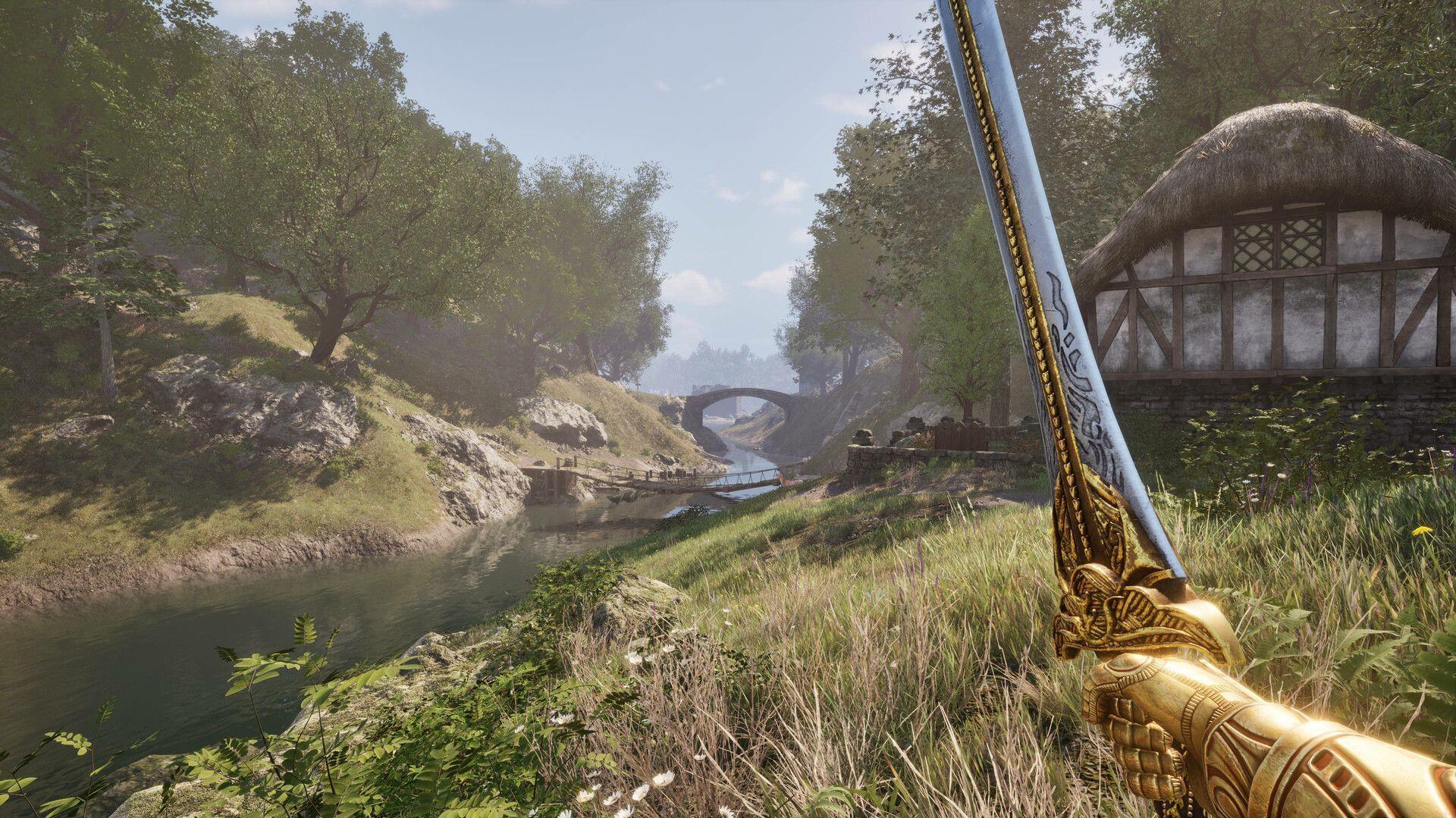
Despite the $50 price tag, Oblivion Remastered shoots straight to the top of Steam
Despite the $50 price tag, Oblivion Remastered shoots straight to the top of Steam’s best sellers (Image via Bethesda Softworks)

Despite the $50 price tag, Oblivion Remastered shoots straight to the top of Steam
Despite the $50 price tag, Oblivion Remastered shoots straight to the top of Steam’s best sellers (Image via Bethesda Softworks)

For players who crave the visceral thrill of frontline combat, the Sword-and-Shield build in The Elder Scrolls IV: Oblivion Remastered delivers an authentic warrior fantasy. This archetype revolves around resilience and controlled aggression, allowing you to absorb punishment with your shield and retaliate with decisive, powerful strikes. It’s a straightforward yet deeply satisfying playstyle that excels in prolonged engagements.

Unlike fragile spellcasters or stealthy assassins, a Sword-and-Shield warrior dominates the battlefield through sheer staying power. Your success hinges on managing your fatigue bar for effective blocking and power attacks, making positioning and timing as important as your stats. This guide will transform you from a novice fighter into an unstoppable bastion of Cyrodiil.

Race and Core Attribute Strategy

The Nord stands as the premier racial choice for this build. Their starting bonuses are tailor-made for melee dominance: +10 to both Strength and Endurance, alongside +5 to Blade and Heavy Armor skills. Strength directly amplifies your physical damage output and carrying capacity, while Endurance is critical because it determines how much health you gain per level. Starting with a high Endurance and maximizing it early is the single most important long-term decision for a durable character.

Your primary attribute focus should be:

  • Strength: This stat is your offense and utility. Every point increases the base damage of every sword swing and allows you to wear heavier loot without becoming overencumbered. Prioritize this to ensure you can defeat enemies efficiently.
  • Endurance: This is your defense and stamina. It not only provides a larger health pool but also increases your Fatigue, which governs your ability to perform power attacks and blocks. Higher Fatigue means you can fight effectively for longer without resting.
  • Pro Leveling Tip: The “efficient leveling” system in Oblivion rewards planning. Always sleep to level up after you have gained ten increases in your Major Skills. More importantly, to get the coveted +5 attribute multiplier, you must gain at least ten increases in skills governed by that attribute before leveling. For a +5 in Strength, train Blade, Armorer, or other Strength-based skills ten times. This method ensures your warrior scales powerfully into the late game.

    Class Creation and Skill Optimization

    When creating a custom class, name it ‘Swordmaster’ and select the following as your seven Major Skills. These skills will level up faster and contribute directly to your character level progression.

  • Blade: Your primary damage-dealing skill. Governed by Strength.
  • Block: Essential for mitigating damage. A successful block with a shield not only reduces damage but can also stagger your opponent, opening them up for a counter-attack.
  • Heavy Armor: The cornerstone of your defense. While it slows movement and increases casting costs, the protection it offers is unmatched for a frontline fighter.
  • Armorer: A frequently overlooked but vital utility skill. It allows you to repair gear anywhere, keeping your weapon damage and armor rating at their maximum values. A broken piece of armor provides no defense.
  • Restoration: Your key to sustainability. This allows you to heal wounds between fights without solely relying on scarce potions. Casting ‘Heal Minor Wounds’ repeatedly is a safe way to train this skill.
  • Athletics: Governs running speed and influences Fatigue regeneration. While it levels passively, be cautious as uncontrolled increases can cause you to level up without optimal attribute gains.
  • Destruction: The strategic choice. Use it not for direct damage, but to cast spells like ‘Weakness to Magic’ or ‘Weakness to Normal Weapons’ on tough enemies before engaging in melee, making them far more vulnerable to your strikes.
  • Specialization: Without question, select Combat. This specialization makes all your chosen Combat skills (Blade, Block, Heavy Armor) improve 25% faster, accelerating your core competency growth.

    Common Mistake to Avoid: Do not make ‘Armorer’ or ‘Athletics’ minor skills if you can avoid it. As major skills, their increases are controllable. As minor skills, they will increase constantly from basic gameplay (running and hitting objects), potentially causing unwanted level-ups before you’ve trained your preferred attributes.

    Progression Gear Guide: Swords, Shields, and Armor

    A warrior is defined by their equipment. Follow this roadmap to ensure you’re always wielding gear appropriate for your level and challenges.

    Weapon Progression Path:

  • Early game: Secure a Steel Longsword from the Imperial Sewers tutorial area or purchase one from any city merchant immediately after. Its balance of damage and speed is ideal for the first 10 levels.
  • Mid game: Journey to Chorrol and complete the ‘Two Sides of the Coin’ quest for Jaufre to obtain the Honorblade of Chorrol. This is one of the best unenchanted blades in the game and will serve you well until you can access true artifacts.
  • Late game: Pursue one of two legendary weapons: Umbra, a powerful, soul-trapping blade found by completing Clavicus Vile’s quest (level 20+), or Goldbrand, a fiery katana rewarded by Boethia after level 20. Both represent the pinnacle of melee weaponry.
  • Shield Upgrade Timeline:

  • Early game: Iron Shields are commonly dropped by bandits and provide a solid starting point.
  • Mid game: Visit Stonewall Shields in the Imperial City Market District to purchase the Tower of the Nine shield, which offers excellent defense.
  • Late game: The ultimate goal is the Escutcheon of Chorrol, obtainable at level 25+ by finding all the parts of the Crusader’s Relics for the Knights of the Nine. It has the highest base armor rating and a powerful enchantment.
  • Armor Tiers from Early to Endgame:

  • Early game: Scavenge a full set of Iron Armor from fallen foes. It’s heavy but provides crucial early protection.
  • Mid game: Upgrade to Ebony Armor, which offers a significant jump in defense and a iconic, intimidating aesthetic.
  • Late game: The final evolution is Daedric Armor, providing the highest possible armor rating in the game, making you nearly impervious to physical attacks.
  • Enchantments, Factions, and Advanced Tactics

    Beyond base gear, enchantments and faction rewards provide the final layer of optimization for a master warrior.

    Essential Enchantment Effects: Seek out or create custom gear with these properties:

  • Fortify Strength: Directly increases your damage output. Consider enchanting a piece of jewelry or a belt with this effect.
  • Fortify Block: Makes your shield even more effective, reducing incoming damage further. Ideal for gauntlets or a ring.
  • Resist Magic or Spell Absorption: Warriors are often vulnerable to mages. These enchantments are crucial for surviving enemy spellcasters in late-game Oblivion Gates or mage lairs.
  • Faction Synergies for Warriors:

  • Fighters Guild (Chorrol): This is your home guild. The quests are combat-focused, the rewards are useful (like the Silver Longsword early on), and rising through its ranks feels thematic.
  • Knights of the Nine (Anvil): This pilgrimage questline is perfect for a righteous warrior. Completing it grants the full set of Crusader armor and weaponry, which is both powerful and visually cohesive.
  • Arena (Imperial City): While offering less tangible reward, the Arena is an excellent training ground to practice your combat mechanics against varied opponents and earn quick gold in the early game.
  • Combat Strategy & Common Pitfalls:

    • Don’t Just Hold Block: Actively time your blocks right before an enemy’s attack lands. This ‘active blocking’ is more effective than holding the button and conserves fatigue.
    • Manage Your Fatigue: Never let your fatigue bar empty. Low fatigue drastically reduces your damage, block effectiveness, and spellcasting success rate. Use Restore Fatigue potions or food in long dungeons.
    • Beware of Scalable Enemies: As you level, so do the bandits and marauders in the world. An unoptimized build can find itself outmatched by common foes wearing high-tier glass or daedric armor. This is why efficient leveling is so important.
    • Use Power Attacks: Mix in forward, left, and right power attacks to break through enemy blocks and deal extra damage. Each direction has a different animation and effect.

    The Sword-and-Shield build in Oblivion Remastered is a testament to reliable, powerful melee combat. By mastering the block, strategically progressing your gear, and understanding the underlying leveling systems, you will become an unbreakable force. You won’t just survive the dangers of Cyrodiil and the Oblivion Crisis—you will conquer them through sheer martial prowess.

    No reproduction without permission:GameCDjnh » Best Sword-and-Shield build in Oblivion Remastered Master the classic warrior archetype in Oblivion Remastered with this optimized Sword-and-Shield build guide, featuring advanced tactics and gear progression.