
A deep dive into Assassin’s Creed Shadows’ first DLC with combat strategies, story analysis, and gameplay improvements
Introduction: Setting Expectations for Awaji Island
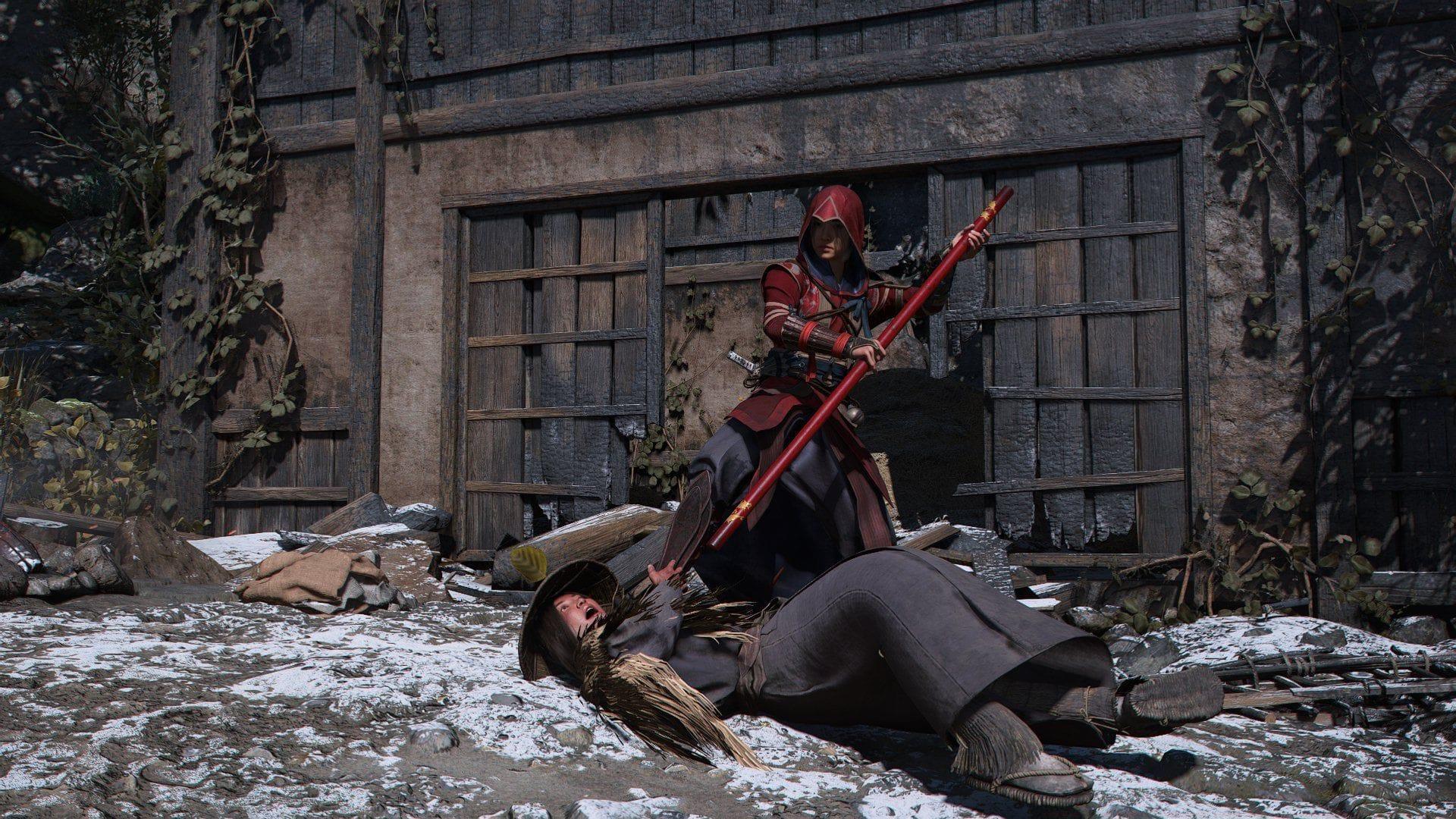
Claws of Awaji represents Ubisoft’s inaugural downloadable content for Assassin’s Creed Shadows, introducing players to a meticulously crafted island within feudal Japan’s expansive setting. Having thoroughly enjoyed the base game—which stands as one of the franchise’s strongest entries since Odyssey—my anticipation ran high for this expansion. The potential for narrative depth and mechanical innovation seemed substantial given Shadows’ solid foundation.
Claws of Awaji positions itself as an extension rather than reinvention of the established Shadows formula. This approach ensures continuity for players who appreciated the core gameplay loop while providing additional content within familiar parameters. The expansion maintains consistency with base game mechanics while introducing subtle refinements.
Pro Tip: Before starting the DLC, complete Junjiro’s quest in the base game to acquire the Bo staff early, giving you immediate access to this weapon without waiting for DLC progression.
Narrative Depth and Character Development
The expansion’s narrative centers on Naoe’s personal quest to locate her mother, a premise with emotional potential that unfortunately fails to deliver substantial depth. While the initial setup through a distinctive 2D puppet show platforming sequence creates intriguing atmosphere, the storyline gradually loses momentum as it progresses.
Character development faces significant challenges throughout the DLC. Yasuke particularly suffers from underutilization, functioning more as narrative accompaniment than driving force. His combat prowess receives attention while his personal story remains largely unexplored, creating imbalance between the two protagonists.
The newly introduced faction initially spices up gameplay with environmental traps and ambush mechanics, but their threat diminishes through repetition. After several encounters, what begins as menacing opposition transforms into predictable obstacle, reducing narrative tension and stakes.
Common Mistake: Many players rush through faction encounters without observing patrol patterns first. Take time to study enemy behavior—the initial ambushes teach valuable lessons about environmental awareness that apply throughout the DLC.
Story progression follows familiar Assassin’s Creed patterns with few surprises. The acquisition of the third Regalia serves as primary conflict driver, yet the emotional connections between characters feel insufficiently developed to make these stakes truly compelling.
Combat Evolution and New Mechanics
Combat receives meaningful enhancements through the introduction of Naoe’s Bo staff, a versatile weapon that alters engagement strategies significantly. While Naoe remains optimized for stealth approaches, the Bo provides viable frontal combat options when stealth proves impossible. The weapon integrates seamlessly into Shadows’ established combat system without disrupting balance.
Yasuke benefits from combat adjustments that amplify his brawling capabilities, making him more effective in chaotic encounters. These improvements complement his existing role as the brute force alternative to Naoe’s subtlety, though his narrative relevance doesn’t match his combat utility.
The persistent threat system—where concealed adversaries target protagonists throughout Awaji Island—successfully maintains tension and encourages constant environmental awareness. This mechanic ensures players cannot become complacent even in seemingly cleared areas.
Advanced Strategy: Master the Bo staff’s crowd control capabilities by utilizing its sweeping attacks when surrounded. The weapon excels at creating space between Naoe and multiple opponents, providing breathing room to reassess combat situations.
Skill tree expansions offer additional customization options, allowing more specialized character builds. These new abilities enhance combat efficiency without fundamentally changing the established progression system, maintaining consistency with base game mechanics.
Optimization Tip: Focus on upgrading evasion skills first when using the Bo staff. The weapon’s longer animations require better dodging capabilities to avoid damage during attack commitments.
Atmospheric Presentation and Technical Execution
Visual design stands as Claws of Awaji’s most impressive aspect, with Awaji Island’s environments demonstrating remarkable attention to detail and atmospheric richness. The island maintains distinct character separate from base game locations, avoiding the pitfall of recycled assets while seamlessly integrating into the broader game world.
Character expressions and emotional delivery, however, lack the nuance expected from current-generation titles. Dialogue delivery often feels perfunctory, undermining potentially impactful narrative moments and character interactions.
Audio presentation proves inconsistent throughout the experience. The background score fails to elevate key moments emotionally, functioning more as ambient accompaniment than narrative enhancement. Technical issues further compromise audio immersion, with reported instances of complete music cessation during major boss encounters.
Performance Note: Some players experience audio synchronization problems during intense combat sequences. Restarting the game session often resolves these temporary glitches without affecting save progress.
Environmental audio design succeeds where musical score falters, with atmospheric sounds effectively conveying the island’s unique character. From coastal waves to forest ambiance, these elements help establish sense of place despite other audio shortcomings.
Final Assessment and Player Recommendations
Claws of Awaji delivers precisely what it promises: additional Assassin’s Creed Shadows content rather than transformative evolution. The expansion provides more of what made the base game enjoyable while introducing enough new elements to justify its existence for dedicated players.
As a long-time franchise enthusiast, I recognize Ubisoft’s pattern of iterative improvements rather than revolutionary changes. This DLC follows that established approach, offering satisfying mission content and combat enhancements without unexpected innovations that might alienate existing players.
The expansion’s value proposition depends heavily on player expectations. Those seeking substantial narrative development or mechanical overhauls may feel underwhelmed, while players simply desiring more Shadows gameplay will find their expectations met.
Reviewed on: PC (key provided by Ubisoft)
Platforms: PC, PS5, and Xbox Series X|S
Release date: September 16, 2025
Player Recommendation: This DLC best suits players who completed the base game and want extended gameplay rather than those seeking narrative depth or mechanical innovation. Approach it as premium side content rather than essential story expansion.
No reproduction without permission:GameCDjnh » Assassin’s Creed Shadows Claws of Awaji review: A vivid expansion hindered by blunt storytelling A deep dive into Assassin's Creed Shadows' first DLC with combat strategies, story analysis, and gameplay improvements