
Complete breakdown of Mafia The Old Country’s single ending and its connections to the Mafia trilogy
Understanding Mafia The Old Country’s Linear Narrative
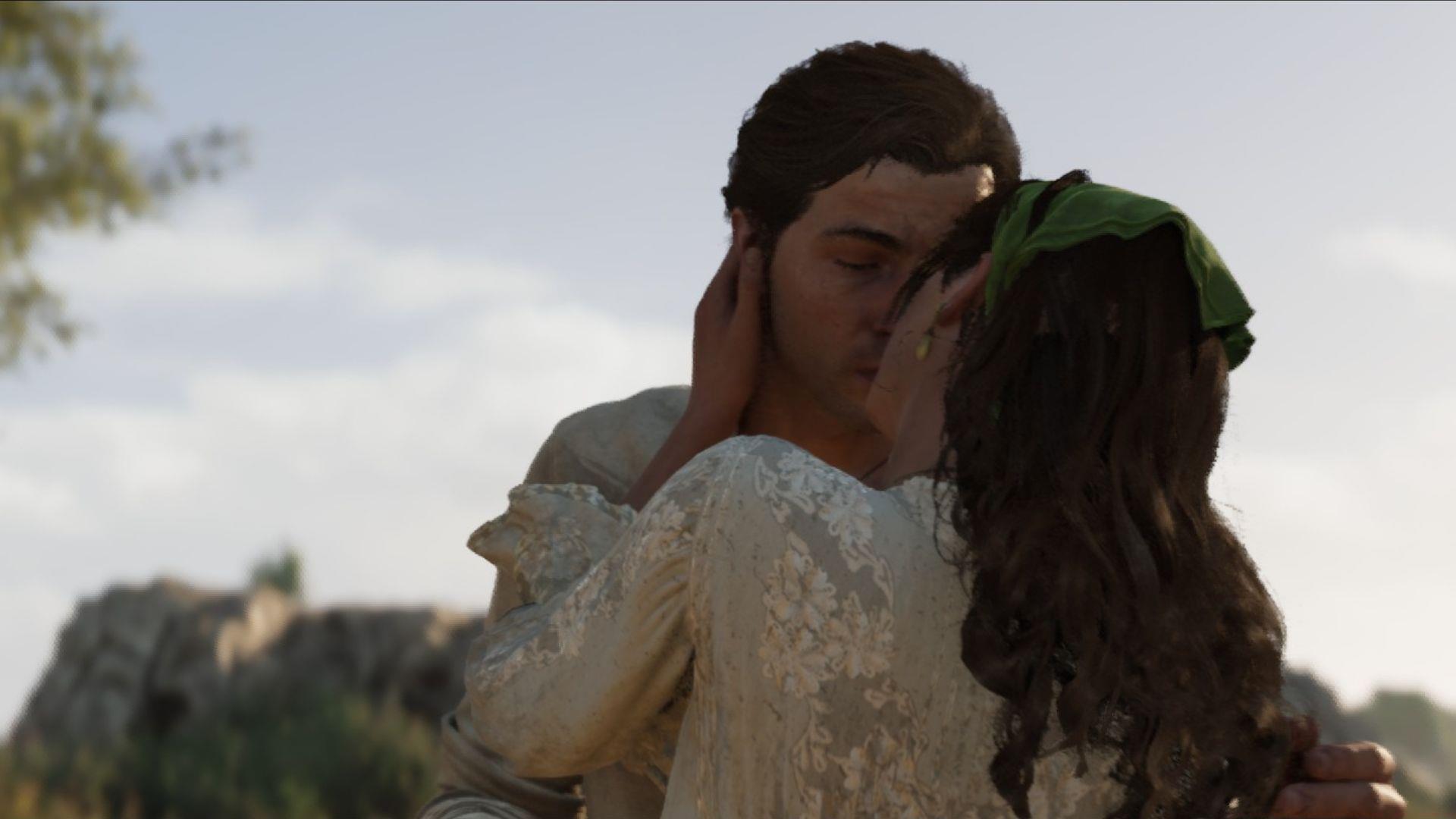
Players transitioning from Mafia 3 often question whether Mafia The Old Country provides branching narrative paths leading to different conclusions. Unlike its successor that offered players agency over Lincoln Clay’s destiny, this prequel installment maintains a strictly linear approach to storytelling. The fate of protagonist Enzo Favara remains predetermined regardless of gameplay decisions made throughout the experience.
This narrative structure aligns with classic action-adventure conventions where character development follows a fixed arc rather than player-influenced branching paths. The game chronicles Enzo’s transformation from Sicilian mine laborer to initiated member of the Torrisi crime family, with every story beat carefully scripted to maintain dramatic consistency.
Mafia 3 stands as the series anomaly with its multiple conclusion system, where player choices during key moments determined the fates of Lincoln Clay and his criminal associates. This design philosophy deliberately contrasts with The Old Country’s focused, single-outcome narrative that prioritizes character-driven storytelling over player agency.
Also Read: All returning characters in Mafia The Old Country
Enzo Favara’s Complete Story Arc
The emotional core of Mafia The Old Country revolves around Enzo’s internal conflict between mafia aspirations and genuine love. His relationship with Isabella Torrisi develops organically throughout the narrative, creating a powerful motivation that ultimately supersedes his criminal ambitions. This character evolution forms the foundation for the game’s dramatic conclusion.
During the final chapters, Enzo’s attachment to Isabella intensifies, compelling both characters to plan their escape from Sicily. Their destination becomes Empire Bay, the iconic American metropolis featured prominently in Mafia 2. This decision represents Enzo’s ultimate rejection of mafioso life in favor of personal happiness and family.
The pregnancy revelation triggers the story’s tragic turn. When Don Torrisi discovers Isabella carries Enzo’s child, he interprets this as the ultimate betrayal of mafia codes and loyalty oaths. The confrontation escalates violently, resulting in Enzo killing the Don in self-defense, only to be subsequently executed by Cesare, the Don’s vengeful nephew.
Detailed Ending Breakdown
The climax unfolds with brutal efficiency – Enzo’s desperate act of self-preservation against Don Torrisi cannot protect him from the family’s retribution system. Cesare’s intervention ensures the maintenance of traditional mafia justice, eliminating the perceived traitor while preserving family honor according to established codes.
Isabella’s escape sequence provides the ending’s emotional resolution. Fleeing Sicily with Enzo’s unborn child, she carries both his genetic legacy and personal correspondence that maintains their connection. The final cinematic reveals her reading Enzo’s letter as the Empire Bay skyline materializes, accompanied by the recognizable musical themes from Mafia 2.
This connective tissue between games establishes Isabella as an unseen but crucial figure in the series’ broader narrative tapestry. Her arrival in Empire Bay not only concludes The Old Country’s story but also plants narrative seeds that potentially influence later events throughout the Mafia universe.
Series Timeline and Connections
Mafia The Old Country occupies the earliest chronological position in the series timeline, preceding the events of the original Mafia game. This placement establishes foundational elements that later installments build upon, particularly regarding the development of American organized crime networks from Sicilian roots.
The progression flows sequentially from The Old Country’s early 20th century setting through Mafia 1’s prohibition-era narrative, then advancing to Mafia 2’s mid-century timeframe, and concluding with Mafia 3’s late-1960s environment. Each game explores distinct eras of organized crime evolution while maintaining connective narrative threads.
Understanding this chronological relationship enhances appreciation of series lore and character legacies. The Old Country establishes thematic patterns about honor, betrayal, and the personal costs of mafia life that resonate throughout subsequent installments, creating a cohesive narrative universe despite different protagonists and time periods.
No reproduction without permission:GameCDjnh » Are there multiple endings in Mafia The Old Country? Complete breakdown of Mafia The Old Country's single ending and its connections to the Mafia trilogy