
Comprehensive guide to Deltarune’s best soundtrack tracks and gameplay optimization strategies
Deltarune’s Release Status and Game Availability
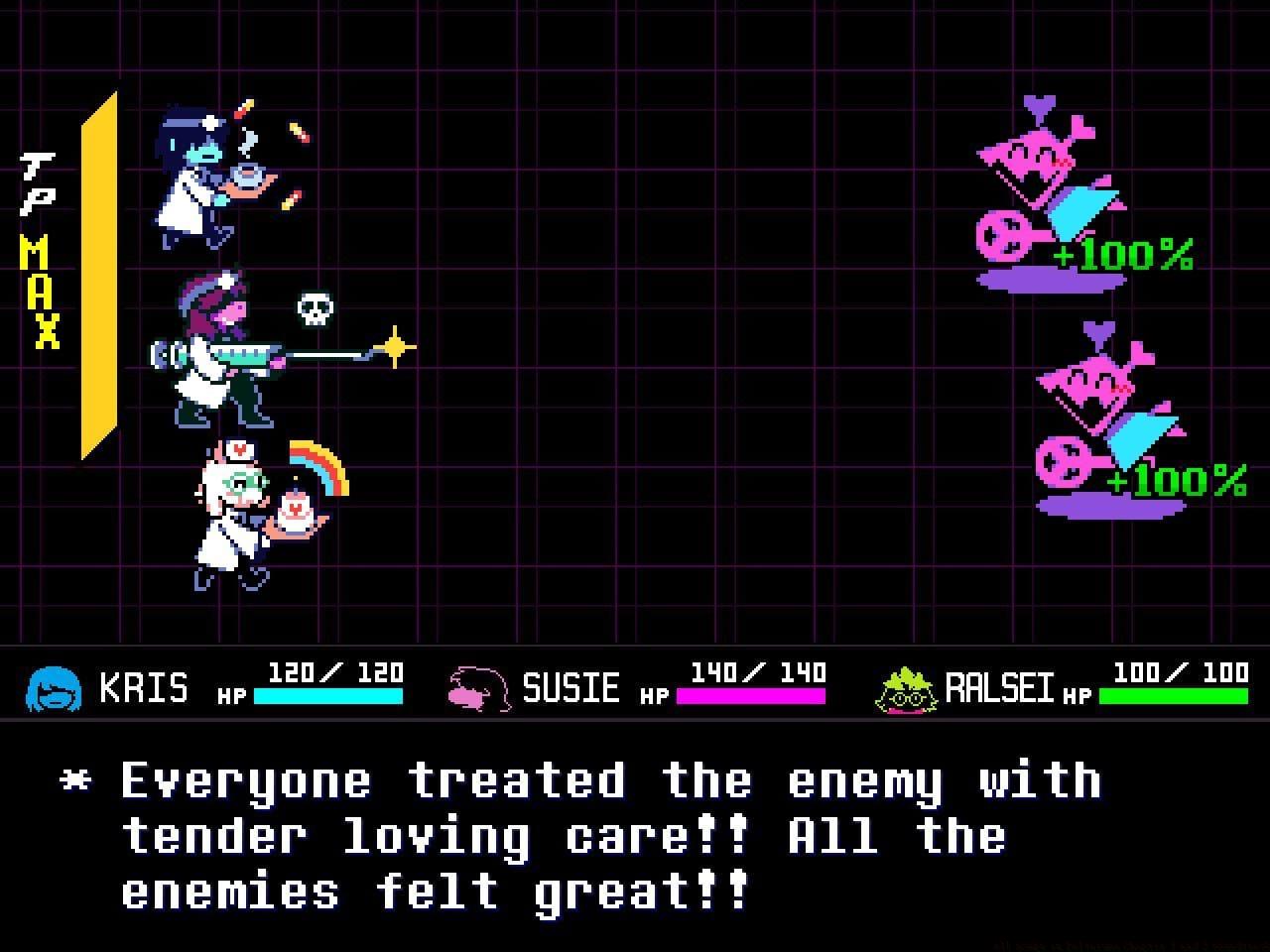
The highly anticipated Deltarune Chapters 3 and 4 have officially launched across multiple gaming platforms, with Steam serving as the primary distribution channel. While the initial chapters were offered as complimentary experiences during early access periods, the complete package now includes all four chapters in a unified gaming experience. This bundled approach provides exceptional value for both returning players and newcomers exploring Toby Fox’s universe for the first time. The game’s rapid ascent on Steam popularity charts indicates growing community engagement and renewed interest in the franchise’s distinctive audio-visual presentation.
Essential Soundtrack Analysis and Character Themes
Deltarune’s musical composition represents a significant evolution from Undertale, featuring sophisticated leitmotifs and character-specific themes that deepen narrative immersion. The soundtrack functions as both atmospheric enhancement and storytelling mechanism, with each track carefully crafted to reflect character personalities and environmental moods.
- Field of Hopes and Dreams – This sweeping exploration theme establishes the game’s emotional core while providing subtle navigation cues through melodic variations
- A Town Called Hometown – Character interaction music that evolves based on story progression and relationship development
- You Can Always Come Home – Emotional safety theme that triggers during pivotal narrative moments and character resolutions
- Laura Shigihara- Don’t Forget – Collaborative piece blending Shigihara’s signature vocal style with Fox’s compositional complexity
- When I Get Mad I Dance Like This – Dynamic battle music that adapts to combat intensity and enemy aggression levels
- Toby Fox & Lena Raine- Cyber Battle – Futuristic synth composition showcasing technical combat scenarios with rhythmic precision requirements
- When I Get Happy I Dance Like This – Celebration and victory themes that reward successful puzzle solutions and combat achievements
- Faint Courage (Game Over) – Strategic failure music designed to encourage retry attempts without frustration
- NOW’S YOUR CHANCE TO BE A – Memorable character introduction theme with hidden lyrical clues about narrative twists
- Bluebird of Misfortune – Environmental hazard music that provides audio cues for timing-based platforming sections
- It’s Pronounced “Rules” – Comedic relief track that breaks tension while maintaining gameplay engagement
- Toby Fox & Lena Raine & Marcy Nabors – Attack of the Killer Queen – Multi-phase boss battle composition requiring audio pattern recognition for success
- Chill Jailbreak Alarm To Study And Relax To – Ambient exploration music optimized for puzzle-solving concentration
- You Can Always Come Home – Recurring thematic element that bookends character development arcs
Advanced Gameplay Strategies and Soundtrack Integration
Mastering Deltarune requires understanding how musical cues directly influence gameplay mechanics and strategic decision-making. The soundtrack serves as an interactive gameplay element rather than mere background accompaniment.
Music-Based Combat Optimization: Pay close attention to battle track rhythm patterns, as enemy attack timing often synchronizes with musical beats. The “Cyber Battle” track specifically features predictable synth sequences that can be used to anticipate boss attack patterns. During “Attack of the Killer Queen,” phase transitions are preceded by distinctive musical changes that signal impending mechanic shifts.
Exploration Enhancement Techniques: Environmental tracks like “Field of Hopes and Dreams” contain subtle audio cues indicating hidden passage locations and secret interaction points. The dynamic layers in “A Town Called Hometown” actually change based on completed quests and character relationships, providing audible progress tracking.
Common Player Mistakes to Avoid: Many players overlook the importance of audio settings configuration, resulting in missed gameplay cues. Ensure music volume is balanced appropriately with sound effects to maintain critical audio information. Another frequent error involves ignoring the emotional context provided by tracks like “Don’t Forget,” which often foreshadows significant narrative decisions and their consequences.
Also Read: Deltarune: Can you play the game as a newcomer?
Composer Collaborations and Musical Techniques
Toby Fox’s collaborative approach to Deltarune’s soundtrack represents a significant expansion from his solo work on Undertale. The inclusion of renowned composers like Lena Raine (Celeste) and Laura Shigihara (Plants vs. Zombies) introduces diverse musical influences while maintaining cohesive thematic integrity.
The technical composition techniques employed throughout the soundtrack demonstrate sophisticated audio programming. Dynamic music systems allow tracks to seamlessly transition between exploration, combat, and narrative sequences without disruptive audio cuts. This creates a fluid gaming experience where music naturally responds to player actions and story progression.
Advanced players should explore the soundtrack’s hidden details, including musical Easter eggs that reference both Undertale and other Toby Fox projects. The recurring motif system ensures character themes evolve throughout the chapters, providing auditory storytelling that complements visual narrative elements. Understanding these compositional choices enhances both appreciation and gameplay performance.
No reproduction without permission:GameCDjnh » All songs in Deltarune Chapter 1 and 2 soundtrack Comprehensive guide to Deltarune's best soundtrack tracks and gameplay optimization strategies