
Master Roadcraft’s vehicle roster with expert strategies, common pitfalls to avoid, and advanced optimization techniques for rebuilding success.
Introduction: The Heart of Roadcraft’s Sandbox
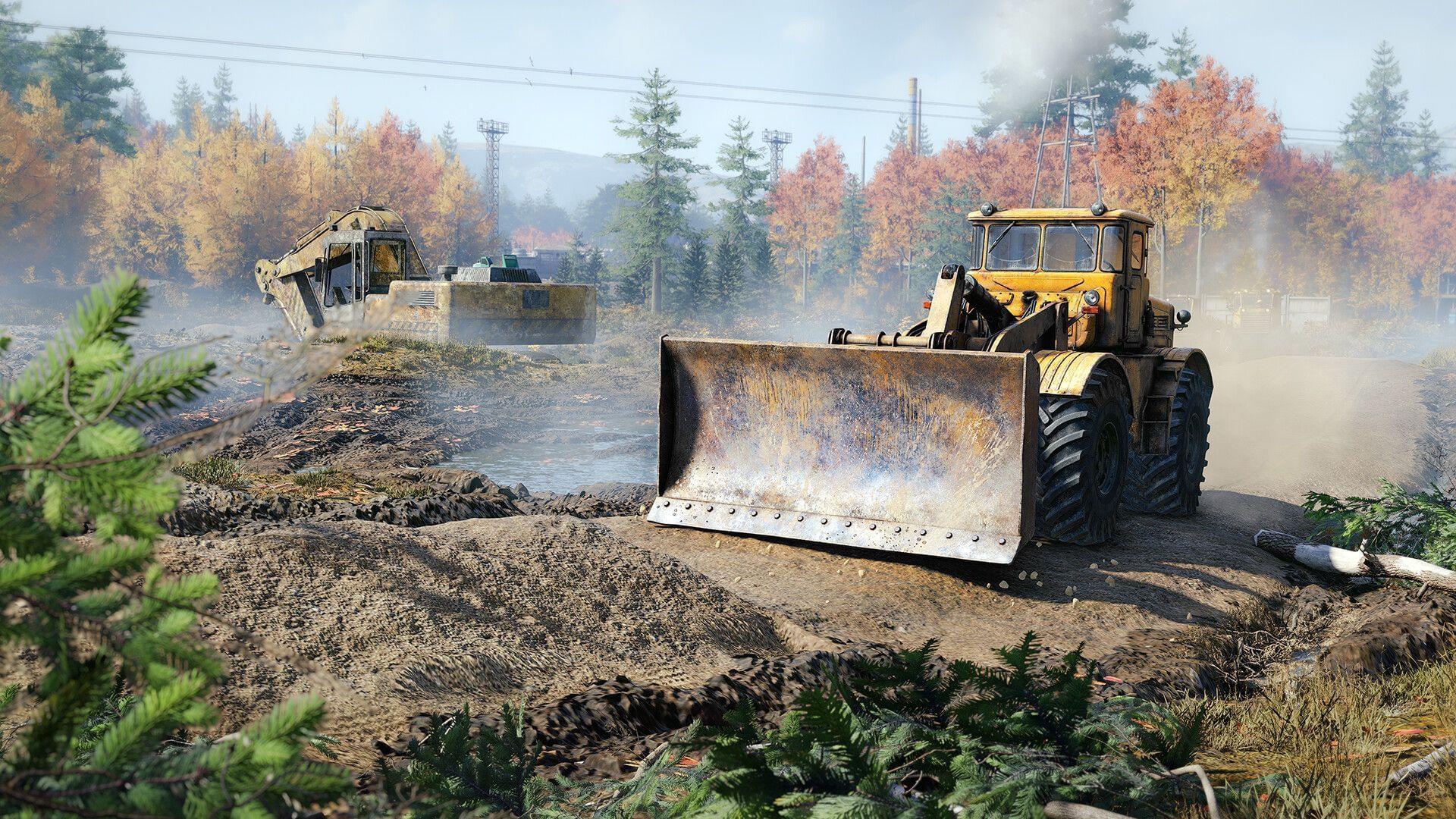
Roadcraft elevates the simulation genre by transforming disaster recovery into a compelling puzzle of machinery and logistics. It’s not merely about fixing roads or clearing debris; it’s a deep strategic sandbox where players must achieve mastery over a complex ecosystem of heavy equipment. True control over the rebuild process comes from understanding how each specialized vehicle—from nimble scouts to colossal cranes—interacts within a dynamic, obstacle-filled environment.
This guide delves beyond the basic roster to provide actionable strategies, highlight common operational errors, and offer optimization techniques that will streamline your projects and enhance your satisfaction as you restore order to fractured landscapes.
Vehicle Roster Breakdown and Strategic Roles
Scout Vehicles: The Pathfinders
Your first deployment on any new map should always be a scout. These light, agile machines are your eyes on the ground, essential for efficient route planning and hazard assessment. Before committing heavy resources, use scouts to identify blocked paths, locate material caches, and pinpoint the optimal starting location for your base of operations. Think of them as reconnaissance units; skipping this step can lead to costly misplacement of stationary cranes or construction yards.
Construction & Support Vehicles: The Workhorses
This category encompasses the versatile, job-specific machines tasked with direct repair and support. These include forklifts, mobile workshops, and utility trucks. Their primary role is to repair damaged infrastructure like bridges or power stations and to transport delicate or heavy equipment components to precise locations. A pro tip: always assign a support vehicle to follow major construction crews to handle unforeseen repairs or small material deliveries, keeping your primary machines focused on their main task.
Road-Building Fleet: The Paving Crew
The core of any rebuilding project is the road-building fleet, a synchronized ensemble where each machine has a non-negotiable role. The process is a chain: Dump Trucks deliver and lay the foundational sand or gravel. Bulldozers then level and compact the terrain. Next, Asphalt Pavers move in to lay down the road surface with precision. Finally, Road Rollers complete the task by smoothing and solidifying the asphalt. Interrupting this sequence (e.g., trying to pave before fully leveling) results in wasted materials and poor road quality.
Cargo & Logistics Trucks: The Supply Line
Essential for long-haul operations, cargo trucks form the vital supply line of your operation. They transport bulk materials like concrete slabs, steel beams, and recyclables between sites. Specialized variants with mounted cranes are invaluable for loading/unloading at roadside pickups without needing a separate crane, while log carriers are dedicated to forestry operations. A common mistake is using a standard flatbed for logs or a log carrier for steel—this drastically reduces efficiency. Always match the truck type to its intended cargo.
Forestry Machines: The Land Clearers
When your path is blocked by dense woodland, forestry machines take center stage. These include feller bunchers that cut and gather trees, skidders that drag logs to landing areas, and mulchers that grind stumps and leftover branches into usable biomass. Efficient clearing involves creating wide, accessible paths for your construction fleet, not just felling trees. Leaving debris behind will hinder your heavier vehicles later.
Cranes & Heavy Lifters: The Muscle
The powerhouses of the fleet, cranes are used to lift and reposition massive debris like collapsed concrete slabs, overturned buses, or large containers. Some are mobile, offering flexibility, while others are fixed, map-specific structures unlocked through exploration. The critical strategy with fixed cranes is positioning: ensure their operational radius covers multiple key debris sites or a central material yard. Placing them poorly can create long, inefficient hauling routes for your mobile equipment.
Pro Tips, Common Mistakes, and Advanced Optimization
5 Practical Tips for Beginners
- Follow the Natural Order: Always proceed Scout -> Clear -> Build -> Supply. Rushing construction without cleared, scouted paths leads to chaos.
- Match Machine to Task: Use the specialized cargo truck for its intended load. A log carrier is slow and inefficient for carrying steel beams.
- Maintain Equipment Flow: Don’t let your paver sit idle waiting for asphalt. Coordinate your dump truck deliveries to create a seamless workflow.
- Learn Crane Reach: Before unlocking a fixed crane, scout its potential location and mentally map its lifting radius to key debris piles.
- Use Mulchers Proactively: Don’t just cut trees; mulch the stumps and branches immediately to create a clean, navigable worksite.
3 Costly Mistakes to Avoid
- Neglecting the Scout Phase: Deploying heavy machinery blindfolded often results in them getting stuck, requiring another vehicle to rescue them—a massive time sink.
- Poor Fixed Crane Placement: Unlocking a fixed crane in a suboptimal location can handicap your entire operation on that side of the map, forcing long hauls.
- Ignoring Vehicle Upgrades: Early-game upgrades for fuel efficiency, tire traction, or loader speed provide compounding returns over long projects. Don’t save cash for only late-game machines.
Advanced Fleet Management Strategies
For players looking to optimize their efficiency: Create Loadout Templates for different map types (mountainous, flooded, forested). Hot-Swap Operators between nearby vehicles of the same type instead of driving each back to base. Pre-Position Equipment for multi-stage missions; if you know you’ll need a crane and a cargo truck at a distant site later, send them ahead during a lull. This “just-in-time” logistics mindset separates competent players from master rebuilders.
Conclusion: Building Your Mastery
Roadcraft offers a profoundly satisfying loop not just through the completion of objectives, but through the growing mastery of its mechanical orchestra. The true reward is watching a once-disastrous site hum with the coordinated activity of your well-managed fleet. Each vehicle is more than a tool; it’s a vital component in a complex system.
By applying the strategies outlined here—respecting vehicle roles, avoiding common pitfalls, and embracing advanced logistics—you’ll transform from a simple operator into a master planner. Your rebuilds will become faster, smoother, and more efficient, unlocking the deepest satisfaction this simulation sandbox has to offer. Now, grab those controls and start building your legacy, one perfectly paved road at a time.
Also Read: Is Roadcraft available on Xbox Game Pass?
Here are some other gaming articles from Sportskeeda for you:
- 5 best beginner tips for Revenge of the Savage Planet
- 5 details you might have missed in the Mafia The Old Country gameplay trailer
- Clair Obscur: Expedition 33 Review – The best RPG you will play this year
- Raidou Remastered: The Mystery of the Soulless Army preview – A solid upgrade to an underrated classic
No reproduction without permission:GameCDjnh » All available vehicles in Roadcraft Master Roadcraft's vehicle roster with expert strategies, common pitfalls to avoid, and advanced optimization techniques for rebuilding success.