
Xbox reverses $80 game pricing policy, impacting The Outer Worlds 2 and setting new industry precedent.
The Sudden Policy Shift
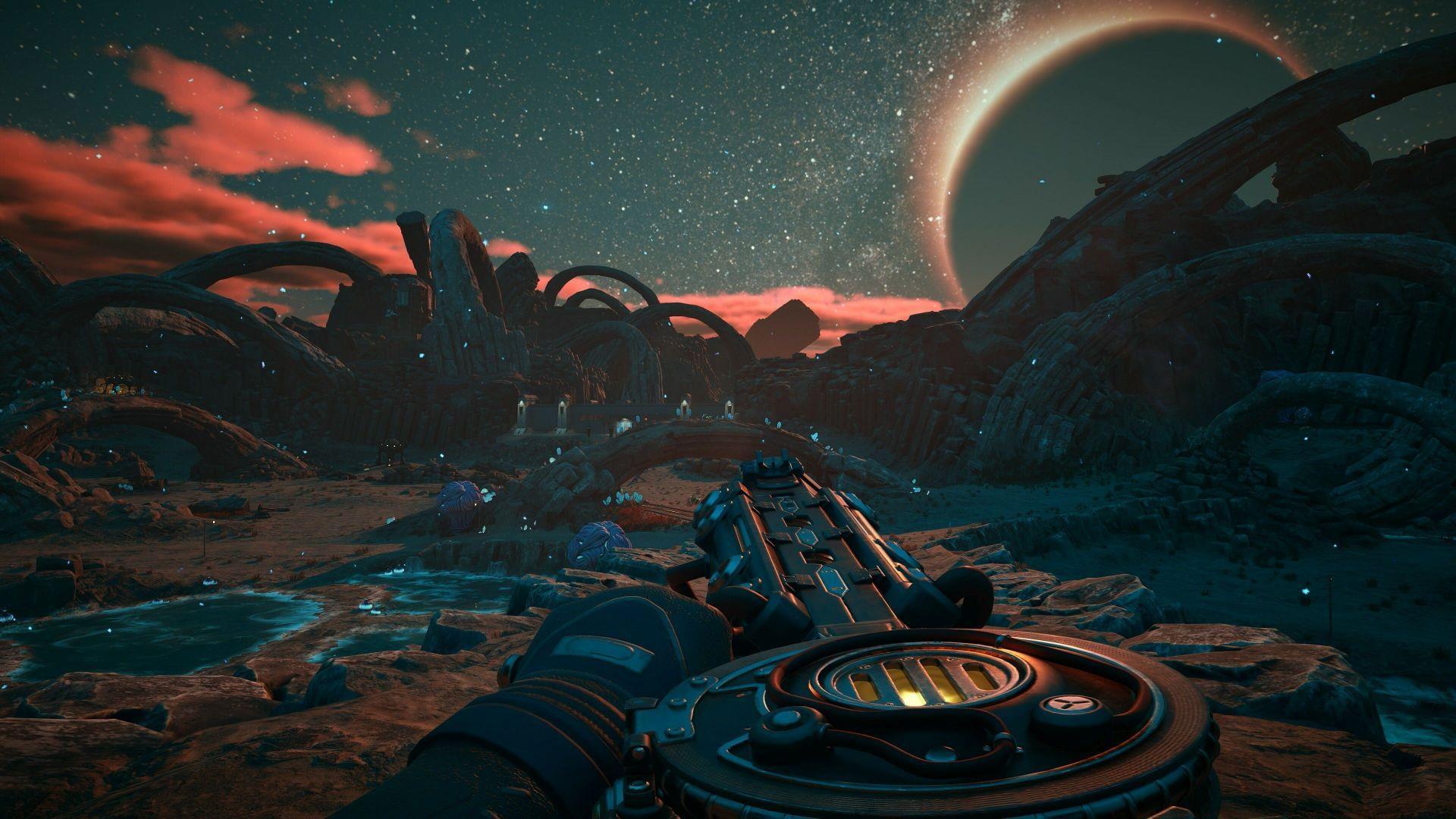
In a significant and unexpected reversal, Xbox has officially walked back its controversial $80 pricing strategy for first-party titles. This decision directly affects the highly anticipated sci-fi RPG, The Outer Worlds 2, slated for Holiday 2025. The move represents a major victory for consumer advocacy and signals responsiveness to mounting fan criticism over premium pricing models.
Confirmation arrived via multiple official Xbox channels, including the game’s dedicated social media account. Crucially, Microsoft has committed to issuing automatic refunds for the price difference to all customers who secured pre-orders at the original $79.99. Effective immediately, the new standard pre-order price is set at $69.99, aligning with the previous generation’s pricing ceiling.
Fan Backlash and Developer Sentiment
The irony was not lost on the community. The Outer Worlds franchise is renowned for its satirical critique of corporate greed and capitalist excess. Many fans argued that slapping an $80 price tag on its sequel was a glaring contradiction that undermined the game’s core themes. The swiftness of the reversal is notable—the price increase was only announced in May 2025, meaning public pressure forced a corporate rethink in under two months.
Reports suggest that even the development team at Obsidian Entertainment expressed internal concerns about the premium pricing, believing it could limit the game’s reach and fairness to players. While developers create the content, final pricing rests solely with the publisher, Microsoft. This episode highlights the growing tension between creative studios and publishing arms over monetization strategies that risk alienating the player base.
The Broader Console Pricing Landscape
The current console generation (PS5, Xbox Series X|S) began with a contentious jump from the traditional $60 standard to a new $70 baseline. The recent push toward $80 represented a further erosion of consumer purchasing power. Publishers consistently cite escalating development costs and ballooning budgets to justify these hikes. However, this argument often neglects the exponential growth in the player base and the lucrative, ongoing revenue from post-launch microtransactions and season passes.
For consumers, each increase compounds, making gaming a more selective hobby. When a standard edition game costs $80, special editions easily exceed $100, and accessories add more, the total cost of engagement rises sharply. This pricing environment forces gamers to make tougher choices about which titles warrant a day-one purchase versus a wait-for-sale approach.
Industry Ripples and Future Implications
Microsoft’s reversal is a positive step, but the battle for fair pricing is far from over. Other major publishers continue to test the $80 threshold. A prime example is Nintendo’s upcoming Mario Kart World for the Switch 2, which has already sparked industry debate and criticism for its expected premium cost. Xbox’s decision now creates a direct point of comparison, potentially increasing scrutiny on Nintendo’s pricing rationale.
The hope among advocates is that this establishes a precedent. When a platform holder as significant as Xbox responds decisively to feedback, it empowers consumers and sends a clear message to the entire industry: there is a limit to what the market will bear for a standard edition game. The next few major releases from other publishers will be critical to watch.
Also read: “That’s too much money”: Jeff Gerstmann slams Nintendo’s Mario Kart World pricing
Strategic Insights for Gamers
This event offers practical lessons for players navigating today’s market. First, your feedback matters. Organized, vocal criticism on social media and forums can influence corporate policy. Second, be cautious with pre-orders for games announced with premium pricing. As shown, prices can change, but waiting often provides more clarity. Third, consider the total cost of ownership. A $70 game with a $15 season pass may offer better long-term value than an $80 base game with extensive paid expansions.
A common mistake is pre-ordering based solely on hype before pricing or monetization details are fully known. A better strategy is to wait for the final pre-launch pricing announcement. Furthermore, support developers and publishers who adopt consumer-friendly practices—purchasing decisions ultimately drive industry standards.
No reproduction without permission:GameCDjnh » $80: Xbox backtracks on $80 pricing for first party games following fan backlash Xbox reverses $80 game pricing policy, impacting The Outer Worlds 2 and setting new industry precedent.