
TL;DR
- Elder farming provides consistent profit with 20-25% Watcher’s Eye drop rates at 100 Chaos per run
- Crafting 6-link Elder Astral Plates requires 400-600 Orbs of Fusing but yields 4 Exalted Orb returns
- Hunter boots with Tailwind mod can generate 100-120 Chaos profit per successful craft
- All methods require minimal initial investment and offer alternatives to map farming
- Proper risk management and market timing are crucial for maximizing profitability
Discover three powerful currency generation strategies specifically designed for Path of Exile’s Metamorph League. These approaches require minimal initial PoE currency investment while delivering substantial returns for players seeking alternatives to traditional mapping. Each method has been tested and proven effective by experienced players.
The techniques outlined originate from Baus Lee‘s comprehensive video guide, providing verified methodologies for consistent profit generation. Understanding these approaches can significantly boost your economic progression throughout the league.
Targeting The Elder represents one of the most reliable boss farming strategies available. This encounter yields Watcher’s Eye unique jewels with an impressive 20-25% drop rate probability. When acquired, these items should be sold unidentified to maximize profit potential and minimize market risk.
Two distinct Watcher’s Eye variants exist: level 85 versions from standard Elder encounters and level 86 iterations exclusive to Uber Elder. Even the base level 85 variant consistently commands at least 4 Exalted orb in current market conditions.
While Uber Elder engagements offer potentially higher rewards through three-line stat Watcher’s Eyes, the significantly increased difficulty makes this approach less time-efficient for consistent currency generation.
*Strategic Insight: Compared to Shaper encounters, The Elder presents substantially lower mechanical complexity and shorter fight duration. Shaper’s deadly attack patterns and extended encounter time diminish farming efficiency despite comparable loot tables.
Successful Elder farming requires assembling four fragments currently priced between 30-40 Chaos orb each. This establishes a 100 Chaos orb investment per attempt. Statistical analysis indicates profitability emerges when securing one Watcher’s Eye across three runs (300 PoE Chaos orb total investment).

During Elder engagements, players may additionally acquire Elder Astral Plate drops. For this secondary approach, begin by purchasing an Astral Plate (minimum level 80) with Elder influence from established trading platforms. Once obtained, enhance the item’s quality to 20% before proceeding to advanced crafting.
Utilize your Crafting Bench to apply increased quality modifiers, significantly improving socket linking probabilities. Extensive testing demonstrates this methodology typically consumes 400-600 Orbs of Fusing per successful 6-link creation.
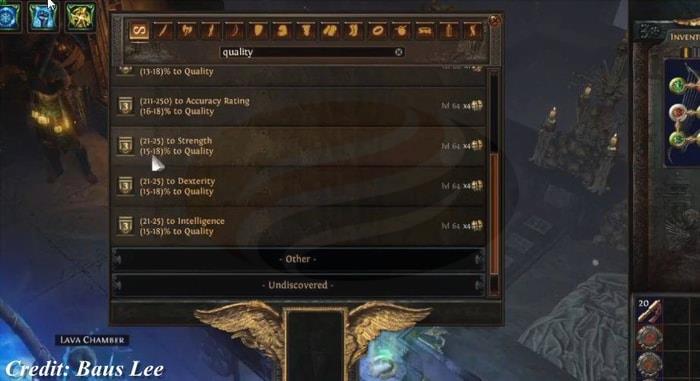
This crafting approach incorporates calculated risk elements while substantially increasing socket linking success rates. Upon achieving 6-link status, focus on rolling desirable Life and Resistance modifiers, as these combinations command premium market prices.
Production costs for 6-link Astral Plates typically range between 1-2 Exalted orb. However, successful Life or Resistance modded versions typically sell for approximately 4 Exalted orb, establishing clear profit margins.
The third strategy involves acquiring boots (minimum level 75) with Hunter influence modifiers. The primary objective centers on rolling the highly sought-after Tailwind enchantment. Immediately upon successful Tailwind acquisition, list the item for sale without additional modifications.
Current market valuations place Tailwind-enchanted boots between 100-120 Chaos orb. This approach particularly benefits players with substantial Orbs of Alteration reserves seeking efficient currency conversion.
While this methodology involves inherent gambling mechanics, it delivers consistent profit generation through targeted crafting. The relatively low entry barrier makes this an accessible option for intermediate players expanding their economic activities.
Each method presents distinct risk-reward profiles suitable for different player preferences and resource availability. Elder farming offers consistent returns with predictable costs, while crafting methods provide higher potential profits with increased variance.
For beginners, Elder farming represents the most reliable starting point due to its straightforward mechanics and calculable profit margins. Intermediate players may prefer Astral Plate crafting for its balanced risk profile, while experienced crafters can leverage Hunter boots for efficient currency conversion.
Critical success factors include understanding current market dynamics, proper resource allocation, and recognizing optimal selling windows. Combining these approaches can create diversified income streams throughout the league.
If you discovered valuable strategies today, consider supporting the original content creator. Continue visiting MmoGah for additional Path of Exile guidance and updates, including secure options to buy PoE currency and acquire premium Path of Exile items through trusted channels.
EXPAND YOUR KNOWLEDGE:
Path of Exile Exalted Orb Farming Guide
Everything You Need To Know – PoE Beginners Guide
PoE 3.9 Metamorph: Toxic Rain Build – Trickster Shadow
Action Checklist
- Assess current currency reserves and determine suitable starting method based on risk tolerance
- Acquire Elder fragments (4 pieces) or appropriate crafting bases
- Execute chosen method with proper preparation and resource management
- Monitor market prices for optimal selling timing and profit maximization
- Reinvest profits to scale operations or diversify into additional methods
No reproduction without permission:GameCDjnh » 3 Alternative Ways to Make More PoE Currency in Metamorph League Three profitable Path of Exile currency methods with minimal investment and maximum returns explained