
Discover how the Sniffer mob transforms Minecraft exploration with ancient plants and new gameplay mechanics
Introduction to the Sniffer Mob
The Minecraft community decisively selected The Sniffer as the triumphant winner of the Minecraft Live 2022 Mob Community Vote, cementing its place as the next significant addition to the game’s ecosystem. This extraordinary creature represents a groundbreaking expansion of Minecraft’s exploration mechanics, offering players unprecedented opportunities for botanical discovery and resource gathering that fundamentally change how we interact with the game world.
Mojang’s development team characterizes The Sniffer as an “ancient mob” that has been extinct for millennia, representing a living fossil from Minecraft’s distant past. The process of bringing this magnificent creature back to life involves locating their carefully hidden eggs in subterranean or aquatic environments, then creating the proper conditions for successful hatching and maturation.
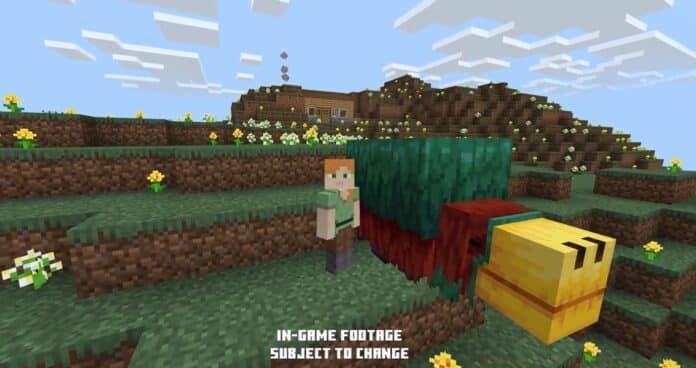
Beyond its impressive size—making it one of the Overworld’s most substantial mobs that dramatically overshadows player characters—The Sniffer introduces sophisticated scent-based mechanics that revolutionize plant collection. Its unique sniffing behavior systematically scans the terrain for buried botanical treasures, automatically excavating seeds and plants that would otherwise remain hidden from players.
Finding and Hatching Sniffer Eggs
Locating Sniffer eggs requires strategic exploration of specific underground biomes and aquatic environments where these ancient artifacts have been preserved. Unlike conventional mob spawns, Sniffer eggs appear as rare archaeological finds in structures like deep ocean ruins, abandoned mine shafts, and rarely in desert temples. The optimal hunting strategy involves systematic grid searches of these areas with proper illumination and navigation tools.
The hatching process demands precise environmental conditions that mimic the Sniffer’s original habitat. Players must maintain specific temperature ranges, adequate moisture levels, and appropriate block types surrounding the egg to trigger successful emergence. Failed hatching attempts typically result from incorrect biome placement or insufficient environmental stability during the incubation period.
Common mistakes include placing eggs in overly arid biomes, exposing them to excessive light levels, or attempting hatching in mob-dense areas that create stressful conditions. Advanced players recommend creating dedicated incubation chambers with controlled climate conditions using water features, specific block types, and proper spacing from other mobs to maximize hatching success rates.
Sniffer Abilities and Mechanics
The Sniffer’s primary ability revolves around its sophisticated olfactory system that can detect buried plant matter through various block types. When activated, the mob engages in a distinctive sniffing animation where it lowers its head to ground level and emits particle effects indicating successful detection. This behavior occurs automatically when the Sniffer encounters areas with hidden botanical resources.
Beyond simply locating existing plants, The Sniffer possesses the extraordinary capability to uncover completely new plant species previously inaccessible to players. These botanical discoveries include ancient flora with unique properties, special decorative plants for base building, and potentially new food sources or crafting materials. Each discovery expands Minecraft’s already extensive botanical catalog with species that offer novel gameplay applications.
The mechanical implementation involves sophisticated pathfinding algorithms that allow the Sniffer to systematically cover territory while prioritizing areas with higher probabilities of containing botanical resources. Players can optimize this process by guiding their Sniffers through diverse biomes and ensuring they have adequate roaming space to perform their detection sweeps effectively.
Advanced Sniffer Strategies
Seasoned Minecraft players can implement several optimization techniques to maximize their Sniffer’s efficiency. Creating dedicated Sniffer preserves with diverse biome representations ensures access to the widest variety of plant species. Strategic enclosure design should incorporate different soil types, elevation variations, and controlled water features to stimulate the Sniffer’s natural foraging behaviors while preventing escape.
Common operational mistakes include overcrowding multiple Sniffers in confined spaces, which reduces individual efficiency through pathfinding conflicts. Players should maintain adequate spacing—approximately 10-15 blocks between Sniffers—to ensure optimal terrain coverage. Additionally, failing to secure perimeters allows Sniffers to wander into dangerous areas or become vulnerable to hostile mob attacks during their foraging cycles.
Advanced integration involves incorporating Sniffers into automated farming systems where their discoveries can feed directly into sorting and processing mechanisms. By positioning Sniffers adjacent to farm plots with hopper collection systems, players can create self-sustaining botanical resource networks that automatically gather and process discovered seeds and plants without manual intervention.
The most sophisticated implementations use Sniffer behaviors to create discovery-based adventure maps where players must utilize these ancient creatures to uncover hidden botanical secrets essential for progression. This represents the pinnacle of Sniffer integration, transforming them from simple resource gatherers into central gameplay mechanics for custom Minecraft experiences.
No reproduction without permission:GameCDjnh » What Is the Sniffer Mob in Minecraft? Discover how the Sniffer mob transforms Minecraft exploration with ancient plants and new gameplay mechanics