
Complete guide to understanding MonkaS emote meaning, origins, and proper usage in Twitch chat culture
What Exactly is MonkaS?
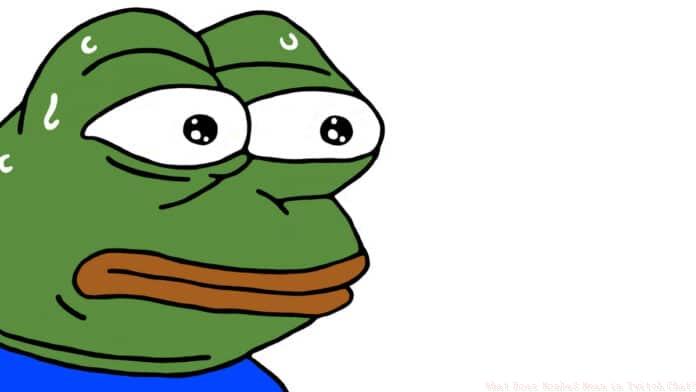
For those immersed in Twitch streaming culture, the term MonkaS represents far more than random chat spam—it’s a sophisticated emotional shorthand that captures collective viewer anxiety. This distinctive emote functions as a visual representation of nervous tension, typically appearing during moments of high stakes or suspense in various streaming content.
Unlike standard Twitch emotes available to all users, MonkaS operates through third-party browser extensions that expand chat functionality. The essential tools enabling this emote’s visibility include BetterTwitchTV (BetterTTV) and FrankerFaceZ, both popular among dedicated Twitch communities. Without these extensions installed, viewers simply see plain text rather than the intended visual representation, creating a divide between casual and hardcore Twitch users.
The visual design features Pepe the Frog in a state of visible distress, with sweat droplets emphasizing the anxiety theme. This imagery perfectly encapsulates the collective tension experienced by viewers during particularly nerve-wracking stream moments, serving as a non-verbal communication tool that transcends language barriers within global Twitch communities.
Origins and Cultural History
Tracing back to 2016, MonkaS emerged from the creative contributions of a user known as Monkasen, whose username provided the foundational naming convention. This origin point places the emote within a specific era of Twitch’s evolution, when community-created content began significantly influencing platform culture.
The emote’s journey from user submission to mainstream adoption illustrates how third-party extensions have shaped Twitch’s emotional vocabulary. As Pepe the Frog already held meme currency across internet culture, the anxious rendition tapped into existing recognition while adding platform-specific contextual meaning.
Over time, MonkaS has evolved beyond its initial conception, spawning variations like MonkaW, MonkaGIGA, and MonkaSTEER that capture nuanced emotional states. This branching family of emotes demonstrates how successful visual shorthand can develop into comprehensive emotional lexicons within dedicated streaming communities.
When to Use MonkaS Effectively
Understanding appropriate MonkaS deployment requires recognizing specific streaming contexts where tension naturally builds. Horror game playthroughs represent the most obvious application, particularly during jump scares, tense stealth sequences, or moments where streamers face formidable in-game challenges. The emote functions as collective catharsis when entire chat communities experience simultaneous anxiety.
Gambling and betting streams frequently trigger MonkaS spam during high-risk wagers or near-miss scenarios. The visual tension of watching streamers risk significant amounts real or virtual currency creates perfect conditions for this anxiety emote’s deployment.
Beyond gaming, MonkaS appears during various high-stakes scenarios including competitive esports tournaments during clutch moments, speedrunning attempts near record times, and even during technical difficulties that threaten stream stability. The common thread remains imminent uncertainty and potential negative outcomes that generate viewer apprehension.
Advanced Usage and Best Practices
Seasoned Twitch chatters understand that MonkaS effectiveness depends heavily on timing and moderation. The most impactful deployments occur immediately before anticipated tense moments rather than during or after, serving as predictive anxiety rather than reactive commentary. This forward-looking application demonstrates deeper understanding of streaming contexts.
Avoid the common mistake of overusing MonkaS during minimally tense situations, which diminishes its impact and may annoy both streamers and viewers. Similarly, spamming the emote repeatedly during extended tense sequences reduces its communicative value and may violate channel-specific chat rules regarding spam behavior.
Advanced users often combine MonkaS with other emotes to create nuanced emotional expressions. Pairing it with prayer hands (Prayge) indicates hopeful anxiety, while combining with triumph emotes after tense moments creates narrative resolution. Learning these combinations elevates your chat participation from basic reaction to sophisticated commentary.
For streamers, recognizing MonkaS spam patterns provides valuable feedback about content effectiveness. Dense clusters of this emote indicate successfully created tension, while its absence during intended tense moments may signal needed pacing adjustments or content modifications.
No reproduction without permission:GameCDjnh » What Does MonkaS Mean in Twitch Chat? Complete guide to understanding MonkaS emote meaning, origins, and proper usage in Twitch chat culture