
TL;DR
- Blade Master excels at tanking and sustained DPS with superior defensive capabilities
- Blade Dancer specializes in burst damage and crowd control with simpler execution
- Master players achieve higher performance ceilings with Blade Master’s complex mechanics
- Class choice depends on preferred playstyle: defensive tank vs offensive support
- Both classes require different skill priorities and combat positioning strategies
The Blade and Soul universe introduces the Blade Dancer as its seventh class addition, creating natural comparisons with the established Blade Master. Many players wonder about the fundamental distinctions between these sword-wielding specialists and what unique mechanics define the newer class. This comprehensive analysis breaks down their differences across multiple combat dimensions.
Character customization reveals immediate distinctions: Blade Dancers are exclusively available as the diminutive Lyn race, often referred to as Lyn Blade Masters. In contrast, Blade Masters offer greater racial diversity, allowing players to choose between Jin and Yun characters. Players favoring agile, visually appealing characters typically gravitate toward the Lyn option.
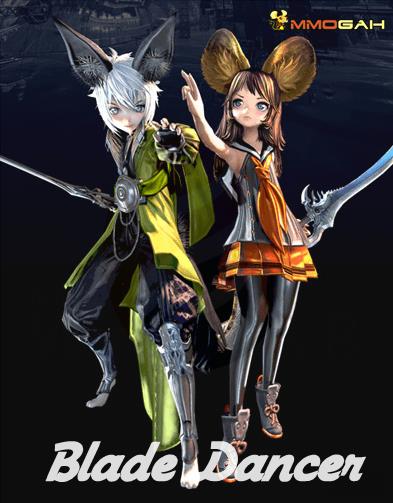

The Lyn Blade Master represents a hybrid combat archetype, blending elements from Force Master, Destroyer, and Blade Master classes. This fusion creates a versatile fighter excelling in both offensive pressure and crowd control applications. However, this jack-of-all-trades approach comes with tradeoffs in specialized capabilities.
Defensive proficiency highlights a major divergence: Blade Masters rank among the top three solo tanking classes, effortlessly handling boss encounters through their exceptional blocking mechanics. Their unique parry ability deflects nearly all frontal assaults, providing reliable damage mitigation. Additionally, Blade Masters demonstrate superior sustained damage over time (DPS) through consistent ability rotations.
Stance availability further differentiates the classes. Blade Masters command three distinct combat stances: basic stance for foundation skills, draw stance for enhanced offensive capabilities, and soulblade summons for additional combat options. Blade Dancers operate with a more limited two-stance system, utilizing only basic and draw stances.
Stance transition mechanics reveal advanced technical differences. While both classes possess draw skills, Blade Masters can fluidly switch to draw stance through multiple methods including lightning draw, blindside maneuvers, strategic positioning (SS), and divine retribution techniques. Blade Dancers face more restrictive options, primarily relying on lightning draw for stance transitions.
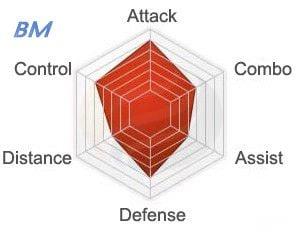
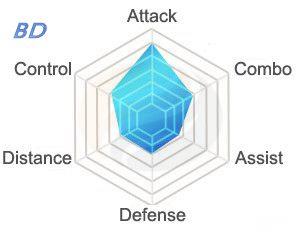
Group PVE content crystallizes the functional separation between these classes. Blade Masters typically assume primary tanking responsibilities while contributing substantial damage output (Tank/DPS). Blade Dancers fulfill supportive roles with secondary damage contributions (Support/sub DPS), making them valuable team players rather than frontline anchors.
Solo play effectiveness demonstrates clear superiority for Blade Masters, who excel at independent content clearing through their comprehensive defensive toolkit. Blade Dancers face greater challenges in solo scenarios due to their more specialized design toward team coordination.
New players often find Blade Dancers more accessible across most gameplay aspects, thanks to a streamlined skill tree requiring less mechanical precision. However, mastery reveals the true potential gap: experienced players can unlock significantly higher performance ceilings with Blade Masters through advanced technique execution.
Progression complexity represents another consideration factor. Blade Masters demand deeper game knowledge and precise ability sequencing to maximize effectiveness, while Blade Dancers offer more forgiving learning curves with immediate combat effectiveness.
Blade Dancers possess distinctive combat utilities including their phantom grip technique, providing unique crowd control and positioning advantages. Their defensive capabilities operate on different principles, relying on precise 0.5-second timing windows or activating a 400% defense enhancement tab for emergency protection.
Damage profile analysis reveals complementary strengths: Blade Dancers excel at burst damage potential but suffer from lower consistent damage output. This creates all-or-nothing PVP dynamics where successful combo execution typically determines match outcomes within limited engagement windows.
Lightning draw dependency represents a critical combat consideration. Blade Dancers heavily rely on this ability, yet face strategic limitations with its extended cooldown period compared to Blade Masters. During cooldown phases, their damage output diminishes significantly compared to their counterparts.
However, when executing their signature techniques, Blade Dancers deliver substantially higher damage with lightning draw and quick draw “LB” assaults than Blade Masters can achieve with similar abilities. This creates rhythmic combat patterns alternating between high-impact windows and recovery phases.
Advanced PVP tactics require understanding these damage windows. Blade Dancers must maximize their burst potential during available cooldowns, while Blade Masters maintain consistent pressure through sustained damage approaches.
Ability prioritization differs significantly between these classes. Blade Dancers should focus on maximizing burst damage sequences during available cooldowns, while Blade Masters benefit from optimizing sustained rotation consistency and defensive ability timing.
Common execution errors include Blade Dancers mismanaging their limited defensive windows or failing to capitalize on burst opportunities. Blade Masters often struggle with stance transition fluidity and ability sequencing under pressure.
Advanced rotation techniques separate competent players from masters. Blade Masters require precise animation canceling and stance dancing, while Blade Dancers need perfect combo execution timing and cooldown synchronization.
For players seeking comprehensive Blade and Soul guidance, our Class Selection Guide provides deeper insights into character specialization decisions.
Gear progression paths also diverge. Blade Masters typically prioritize defensive stats and sustained damage enhancements, while Blade Dancers benefit more from critical chance and burst damage amplification equipment.
Mastering either class requires understanding these optimization principles. Consider exploring our Complete Guide for broader game mechanics understanding that enhances class performance.
Action Checklist
- Analyze your preferred playstyle: sustained tanking vs burst support
- Master basic stance transitions and ability rotations for your chosen class
- Practice defensive timing (BM) or burst combo execution (LBM)
- Optimize skill tree based on your content focus: PvE vs PvP
- Study advanced techniques from our Weapons Unlock Guide for complementary knowledge
No reproduction without permission:GameCDjnh » The Differences Between Blade Master and Blade Dancer Complete Blade Master vs Blade Dancer comparison with advanced combat strategies and role optimization