
TL;DR
- Feral druids excel as versatile tanks using bear form for defense and cat form for damage
- Form-switching requires careful mana management and situational awareness
- Prioritize stamina, defense rating, and armor across all gear slots
- Advanced threat generation combines Maul spam with strategic ability usage
- Proper gear enchants and trinket selection dramatically improve survivability
Welcome to the ultimate Feral Tank Druid mastery guide for Wrath of the Lich King Classic. This comprehensive resource delivers everything required to excel as a shape-shifting tank, from fundamental mechanics to advanced raid optimization techniques.
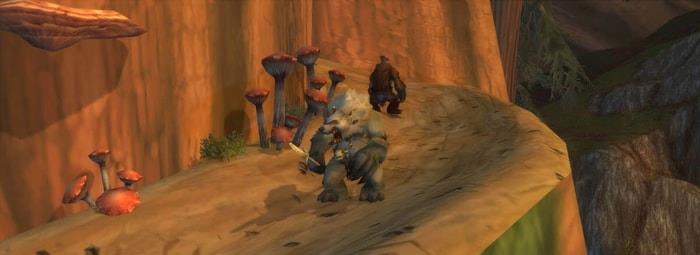
Within Wrath Classic’s tanking ecosystem, feral druids occupy a unique position as shape-shifting specialists. Unlike traditional plate-wearing tanks, they leverage animal forms to absorb damage while maintaining impressive offensive capabilities.
Feral tank druids utilize transformative abilities to adopt combat-optimized animal forms. Each form provides distinct tactical advantages – bear form delivers exceptional armor values and health pools, while cat form offers superior mobility and damage output. This duality enables them to fulfill multiple roles within a single encounter.
Shape-shifting unlocks specialized ability sets unavailable in other forms. Cat form grants access to Ferocious Bite for sustained damage-over-time effects, while bear form provides Maul for high-threat generation combined with brief crowd control. Understanding when to deploy each ability forms the core of feral tanking proficiency.
The primary strength of feral tanks lies in their exceptional adaptability. They can instantly transition between defensive bear form and offensive cat form based on encounter demands. This flexibility allows them to handle unpredictable combat scenarios that would challenge more specialized tanks.
Bear form’s massive armor multiplier and health bonus create one of the game’s most durable physical damage absorbers. Meanwhile, cat form’s damage potential enables them to contribute significantly to boss burn phases or handle add management duties.
Despite their versatility, feral tanks face several critical limitations. They lack inherent crowd control abilities, making large trash pulls particularly challenging. Additionally, maintaining animal forms consumes mana reserves, and depletion forces reversion to vulnerable human form. Animal classification also makes them susceptible to fear and charm effects, potentially disrupting their tanking form at critical moments.
Mastering form transitions separates competent feral tanks from exceptional ones. Successful druids develop intuitive timing for shifting between forms based on encounter mechanics and resource availability.
Effective mana management prevents forced reversion to human form during critical tanking phases. Always maintain at least 20% mana reserve for emergency shifts, and utilize Innervate proactively rather than reactively.
Common mistake: transitioning too frequently and depleting mana pools prematurely. Instead, plan form changes around predictable encounter phases or mechanic transitions.
Advanced technique: utilize cat form during tank swap mechanics to increase raid damage output while maintaining positioning readiness. This requires precise communication with your co-tank and thorough encounter knowledge.
Optimization tip: macro form shifts with key abilities to minimize global cooldown waste. For example, combining bear form with Enrage activation ensures immediate threat generation upon transition.
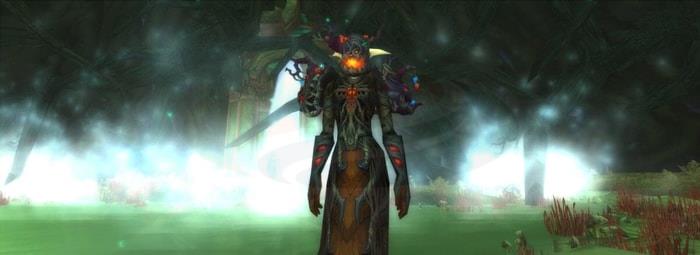
Building an optimal feral tank set requires meticulous attention to stat distribution and gear synergy. Each piece should contribute to your overall survivability while enabling effective threat generation.
Head: Prioritize helmets with maximum stamina and defense rating. Arcanum of Rapidity provides excellent threat generation, while Crown of Tyranny offers superior survivability stats.
Neck: Seek neckpieces combining high stamina with defense, such as Amulet of Vigor or Necklace of Sovereignty. These items prevent critical strikes against you while boosting health pools.
Shoulders: Focus on stamina and defense for shoulder slots. Pauldrons of Wild Magic deliver balanced stats, while Mantle of Woe emphasizes pure mitigation.
Chest: Select chest armor with substantial stamina and defense allocation. Breastplate of Vitality provides exceptional health scaling, and Tunic of Benevolence offers well-rounded defensive properties.
Waist: Target belts with high stamina and defense values. Belt of Blasting delivers strong threat components, while Girdle of Cruelty focuses on pure damage absorption.
Legs: Emphasize stamina and defense for leg armor. Leg Plates of Battle Lore provide excellent stat density, and Leggings of Faculty offer specialized mitigation profiles.
Boots: Acquire boots with substantial stamina and defense ratings. Treads of Dismay deliver mobility benefits, while Sabatons of Inquisition provide stance-based advantages.
Ring 1: Secure a ring with high stamina and attack power to balance survivability with threat generation capabilities.
Ring 2: Ring of Siege serves as an excellent secondary ring option, providing both stamina and spell power for hybrid ability scaling.
Trinket 1: Choose trinkets that complement your specific playstyle requirements. Insignia of Valor offers reliable stamina, Figurine of Fortitude provides on-demand health pools, and Darkmoon Card: Greatness delivers versatile stat allocation.
Trinket 2: Select secondary trinkets based on encounter-specific needs. Signet of Courage provides emergency mitigation, while Emblem of Vigor enhances sustained threat generation.
Advanced gearing insight: prioritize hit rating to 8% before stacking expertise, ensuring your threat-generating abilities consistently connect with targets.
Action Checklist
- Master form-switching macros between bear and cat forms
- Acquire and enchant core gear pieces with stamina and defense focus
- Practice mana conservation techniques in heroics before progressing to raids
- Develop co-tank communication protocols for form transition coordination
- Optimize threat rotation using Maul, Lacerate, and Swipe combinations
No reproduction without permission:GameCDjnh » The Definitive Guide to Feral Tank Druid in WoW WotLK Classic Master Feral Druid tanking in WotLK Classic with form-switching tactics, optimal gear selection, and threat management strategies