
TL;DR
- Diablo 4 excels with cinematic combat and accessible systems for casual ARPG players
- Path of Exile 2 dominates in build diversity, complex itemization, and long-term replayability
- POE2 requires strategic thinking and positioning while D4 emphasizes fluid action
- D4’s loot system reduces clutter while POE2 offers unparalleled crafting control
- Choose based on preference: streamlined experience (D4) vs deep customization (POE2)
The rivalry between Path of Exile 2 and Diablo 4 Season 7 represents a fascinating clash of design philosophies within the ARPG landscape. Each title has developed distinct approaches to combat that appeal to different player archetypes and preferences.
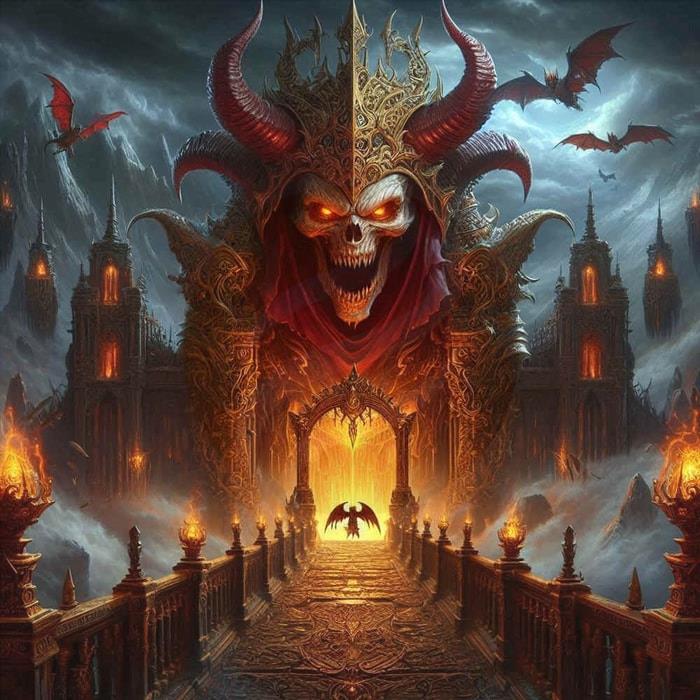
Diablo 4’s Cinematic Action
Diablo 4 delivers exceptionally polished combat animations that create a movie-like experience. Each ability produces satisfying visual and audio feedback, making every skill activation feel impactful. The dodge mechanic introduces meaningful positioning decisions without overwhelming complexity. This approach works perfectly for players who prioritize visual spectacle and immediate gratification in their action RPG sessions.
Path of Exile 2’s Strategic Depth
Path of Exile 2 adopts a more deliberate combat system where positioning and timing carry significant consequences. The stamina-based dodging system forces players to consider resource management during engagements. Attack animations have distinct wind-up and recovery phases, rewarding players who master timing and spatial awareness. This creates a steep but rewarding learning curve that appeals to strategic thinkers.
Combat Complexity Analysis
POE2’s combat demands constant attention to positioning and cooldown management. One misstep can quickly lead to character death against challenging enemies. The dodge roll becomes an essential survival tool rather than just a mobility option. Players must learn enemy attack patterns and telegraphs to succeed in difficult encounters.
POE2’s Unmatched Customization
Path of Exile 2 provides unprecedented build diversity through its intricate systems. The passive skill tree contains thousands of interconnected nodes allowing for highly specialized character development. Skill gems can be combined in countless configurations, creating unique ability interactions. Ascendancy classes offer distinct specialization paths that dramatically alter gameplay approaches.
D4’s Streamlined Approach
Diablo 4 offers respectable customization through its skill tree and Paragon Boards, though it relies more heavily on gear and Legendary Aspects to define builds. Each season introduces carefully balanced changes that refresh the meta without overwhelming complexity. This approach works well for players who prefer straightforward progression systems.
Theorycrafting Potential
POE2 serves as a paradise for theorycrafting enthusiasts who enjoy planning complex character builds. The sheer number of viable combinations ensures that few players will have identical characters. Advanced players can spend hours optimizing passive tree paths and gem combinations for maximum efficiency.
Diablo 4’s Refined Loot
Diablo 4 employs a streamlined loot system that prioritizes quality over quantity. Players encounter fewer item drops overall, but each piece has higher potential to be an upgrade. Uniques and Legendary Aspects serve as the primary build-defining elements. Item affixes remain relatively straightforward, reducing analysis paralysis for casual players.
POE2’s Complex Itemization
Path of Exile 2 features an intricate itemization framework where nearly every drop has potential value. The crafting system allows extensive modification of gear through currency items. Loot filters help players manage the overwhelming volume of potential upgrades.
Crafting and Trading Differences
POE2’s crafting provides granular control over item properties, allowing players to target specific upgrades. The currency-based trading economy creates a vibrant player-driven market. This system rewards knowledge and game system mastery with significant power increases.
D4’s Seasonal Activities
Diablo 4’s endgame revolves around Nightmare Dungeons, Helltides, and challenging Uber boss encounters. Each season introduces fresh mechanics that temporarily alter the gameplay experience. While providing good variety, the endgame loop can feel limited for players seeking infinite replayability.
POE2’s Infinite Replayability
Path of Exile 2 offers essentially limitless endgame content through its Mapping system. The Atlas progression provides long-term goals with clear milestones. Additional systems like Delve and League mechanics ensure constant content rotation.
Content Variety Comparison
POE2 maintains player engagement through constant content updates and deep system mastery requirements. There’s always another build to experiment with or a new mechanic to master. This approach caters perfectly to players who enjoy setting their own goals and pursuing perfection.
Diablo 4’s Cinematic Storytelling
Diablo 4 excels in narrative delivery through high-production cinematic sequences and professional voice acting. The game leverages decades of established lore to create an immersive narrative experience. This approach keeps story-focused players engaged throughout their journey.
POE2’s Environmental Narrative
Path of Exile 2 focuses on environmental storytelling through detailed world design and scattered dialogue. While improved from its predecessor, it doesn’t match Diablo 4’s cinematic presentation quality.
Lore Depth Assessment
Both games offer substantial lore, but present it through fundamentally different methods. D4’s direct storytelling appeals to players who prefer clear narrative progression, while POE2’s approach suits those who enjoy discovering story elements organically.
Accessibility Factors
Diablo 4 provides a more accessible entry point for ARPG newcomers. The streamlined systems reduce the initial learning burden while still offering depth for committed players.
Skill Ceiling Differences
Path of Exile 2 demands strategic thinking and precise execution from the beginning. The combat system punishes careless positioning and poor resource management. This creates a higher skill ceiling that rewards dedicated practice and system mastery.
New Player Considerations
D4’s level-scaling system ensures consistent challenge throughout the leveling process. POE2’s fixed difficulty zones provide clear progression milestones but can create frustrating difficulty spikes for unprepared players.
Both Path of Exile 2 and Diablo 4 Season 7 deliver compelling ARPG experiences tailored to different player preferences. Diablo 4 shines with its cinematic presentation, fluid combat, and accessible systems that welcome new players to the genre.
Path of Exile 2 dominates in build customization depth, complex itemization systems, and long-term replayability through its extensive endgame content.
The decision ultimately depends on your gaming priorities and tolerance for complexity. If you enjoy deep theorycrafting, strategic combat positioning, and granular control over character progression, Path of Exile 2 delivers unparalleled depth. For players who prioritize visual spectacle, straightforward progression, and cinematic storytelling, Diablo 4 provides an exceptional experience.
Action Checklist
- Assess your preferred combat style: cinematic action (D4) vs strategic positioning (POE2)
- Evaluate your theorycrafting interest level and customization needs
- Consider time investment: casual sessions (D4) vs deep engagement (POE2)
- Analyze your preference for loot systems: streamlined (D4) vs complex (POE2)
- Determine narrative preference: cinematic storytelling (D4) vs environmental discovery (POE2)
No reproduction without permission:GameCDjnh » Path of Exile 2 VS Diablo 4 Season 7 – Which Is Better? Comprehensive comparison of Path of Exile 2 vs Diablo 4 Season 7 for ARPG enthusiasts seeking optimal gameplay experience