
Marvel Rivals developers confirm no EOMM usage and provide matchmaking transparency with upcoming explanatory video
Understanding the EOMM Controversy in Marvel Rivals
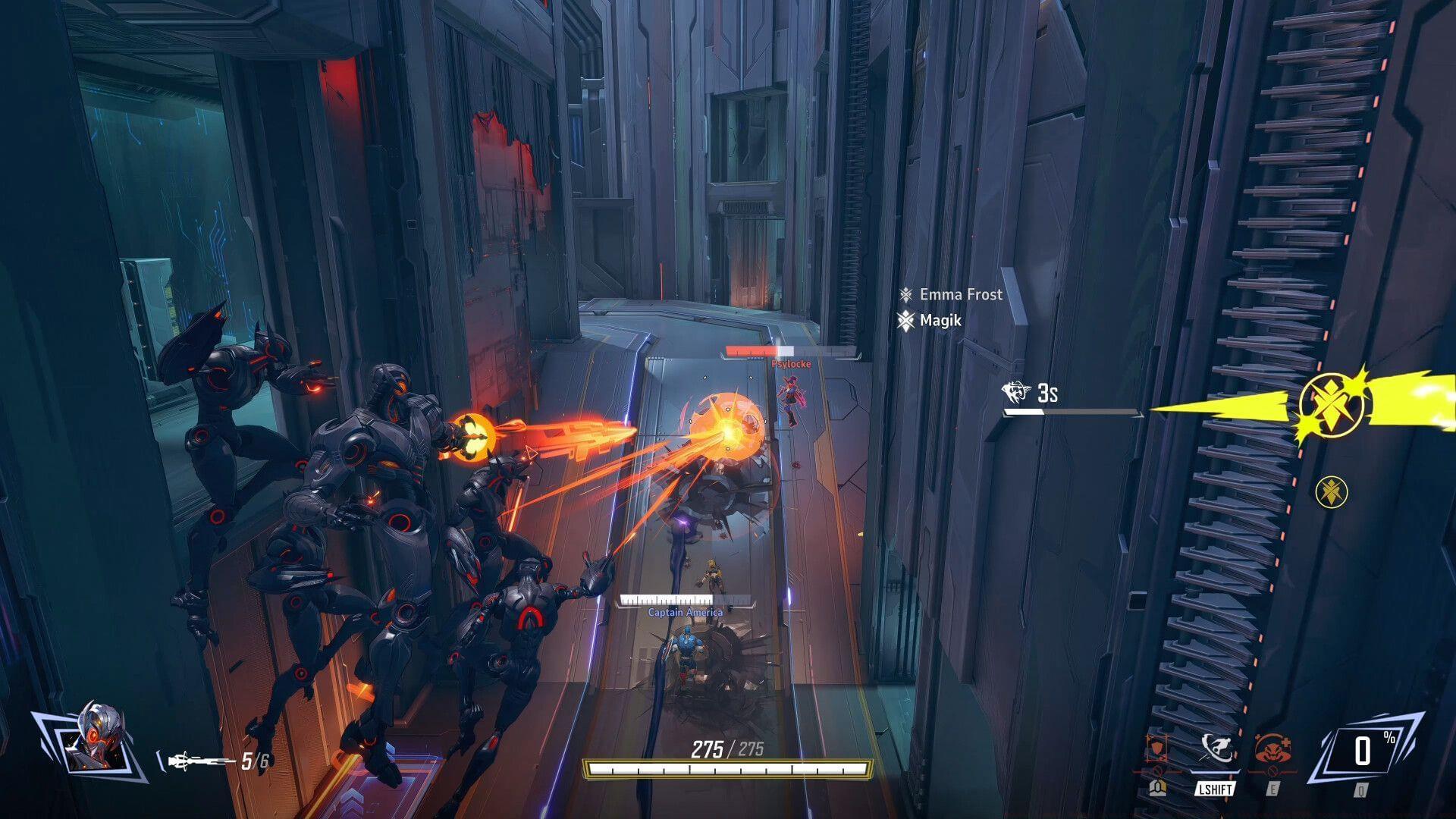
The EOMM (Engagement-optimized matchmaking) debate has dominated Marvel Rivals community discussions for several months, with competitive players questioning whether this contentious system explains the prevalence of lopsided matches. Development team representatives have now intervened to clarify unequivocally that their matchmaking architecture excludes EOMM algorithms – and they’re producing an comprehensive explanatory video detailing precisely how their ranking and matchmaking mechanics function.
For players seeking deeper understanding, Engagement-Optimized Matchmaking represents a methodology designed to maximize player retention by artificially controlling victory and defeat patterns. This approach deliberately sequences matches, sometimes placing competitors in games with statistically unfavorable odds after successful streaks, or granting compensatory wins following consecutive losses to maintain engagement. While theoretically intended to prolong player involvement, the gaming community widely perceives this as an unethical manipulation of competitive fairness.
Practical Tip: Track your match history manually or using third-party tools to identify genuine patterns versus perceived manipulation. Documenting hero selections, team compositions, and match outcomes provides objective data to assess actual matchmaking fairness.
Beyond EOMM: Real Matchmaking Issues Players Face
The matchmaking challenges within Marvel Rivals extend considerably beyond speculative theories about hidden algorithms. The title has faced substantial criticism from its player base regarding multiple systemic problems: severely unbalanced team configurations caused by DPS class overrepresentation, controversial modifications to group stacking regulations, excessive ranked match abandonments, and contests that appear predetermined from loading screen. These cumulative issues have intensified suspicions that undisclosed systems might influence competitive outcomes.
Common Mistake: Many players blame matchmaking systems for losses while overlooking their own team composition choices. Avoid stacking multiple DPS heroes without adequate support or tank roles, as this creates fundamental strategic weaknesses regardless of matchmaking quality.
Through their commitment to producing a community Q&A video, NetEase development teams demonstrate movement toward operational transparency. This represents positive developments for dedicated competitors, since matchmaking architectures throughout the gaming industry typically remain opaque, enabling speculative theories to proliferate unchecked. A clear, developer-authored explanation could effectively eliminate misunderstandings and restore faith in the game’s competitive authenticity.
Also read: Marvel Rivals Season 3.5 introduces significant hero balance changes affecting match dynamics
Practical Matchmaking Strategies for Competitive Players
While awaiting the developer’s explanatory video, competitive Marvel Rivals participants can implement several strategic approaches to enhance their matchmaking experience. Begin by mastering at least two heroes from different roles (Tank, Damage, Support) to ensure team flexibility. Communication during hero selection phases dramatically improves team synergy – use ping systems or voice chat to coordinate compositions before matches commence.
Optimization Tip: Advanced players should study map-specific hero effectiveness. Certain characters perform significantly better on particular battlegrounds due to environmental geometry and objective placement. Maintaining a diverse hero pool adaptable to various maps substantially increases win probability regardless of matchmaking variables.
For ranked gameplay, focus on consistent performance rather than individual match outcomes. The ranking system evaluates multiple performance metrics beyond simple win/loss records. Maintaining positive statistics even during defeats can mitigate rating losses and accelerate progression during victory streaks. Additionally, queue during peak hours to ensure healthier matchmaking pools and reduced wait times.
Follow Sportskeeda for more Marvel Rivals competitive insights:
- Comprehensive Marvel Rivals character mastery guides
- Marvel Rivals meta analysis and tier lists
- Marvel Rivals map strategy breakdowns
- Marvel Rivals ranked progression optimization
No reproduction without permission:GameCDjnh » Marvel Rivals: Marvel Rivals devs speak about whether the game has EOMM, more details to be revealed soon Marvel Rivals developers confirm no EOMM usage and provide matchmaking transparency with upcoming explanatory video