
TL;DR
- Master radar ring mechanics to detect Pokemon within 700-1000 feet range effectively
- Optimize incense usage by moving 200 meters/minute for maximum spawn rates
- Strategic lure placement at high-traffic PokeStops multiplies encounter opportunities
- Understand biome-specific spawn patterns and weather boost mechanics for targeted hunting
- Combine movement strategies with item usage to overcome common player mistakes
Pokemon Go represents a revolutionary approach to mobile gaming by blending augmented reality with real-world exploration. The game’s global popularity stems from its unique ability to transform ordinary locations into vibrant hunting grounds where trainers pursue diverse Pokemon species.
Leveraging your smartphone’s GPS functionality, the game creates an immersive experience where virtual creatures appear superimposed on your actual surroundings. This technology enables you to capture, battle, and train Pokemon as if they inhabit the same physical space you’re exploring. With over a hundred species available in various environments, understanding the core mechanics becomes essential for successful hunting. These insights come from Mmogah’s professional Pokemon Go boosting expertise.
The vibration alert system serves as your primary notification mechanism, signaling when Pokemon are nearby. This tactile feedback allows you to maintain situational awareness while navigating your environment, ensuring you never miss potential encounters during your adventures.
Mastering Pokemon Detection Through Radar Mechanics
Your avatar’s pulsating radar ring represents one of the most critical tools in your Pokemon hunting arsenal. This circular detection field constantly scans your immediate vicinity for hidden Pokemon, with a effective range extending 700-1000 feet from your current position. Understanding this detection radius helps optimize your movement patterns for maximum efficiency.
Strategic movement through neighborhoods, parks, and urban centers activates the radar’s full potential. Rather than trespassing or exploring inappropriate locations, focused navigation along sidewalks and public pathways systematically reveals concealed Pokemon. The radar automatically uncovers these creatures without requiring additional actions, making proper route planning essential for success.
Common mistakes include remaining stationary for extended periods or following random, unplanned routes. Advanced trainers develop circular or grid-based patrol patterns that maximize radar coverage while minimizing redundant area scanning. Urban environments typically offer higher spawn density, but rural areas often feature rarer species distributions.
Optimizing Incense: Stationary vs Mobile Strategies
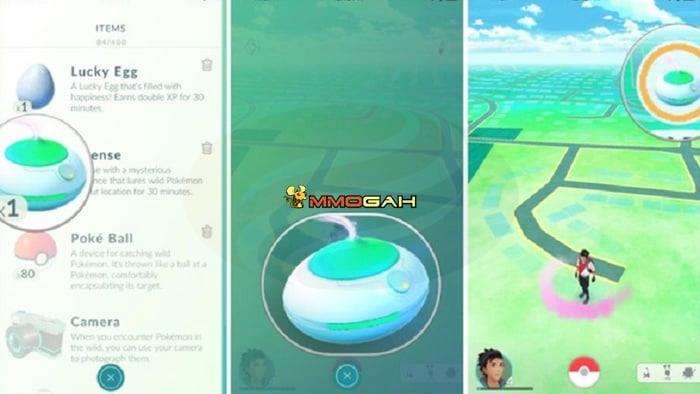
Incense stands as arguably the most valuable tool for dedicated Pokemon trainers seeking to expand their collections. This limited resource, available through gameplay rewards or purchase, dramatically increases encounter rates when used strategically.
The critical distinction between stationary and mobile incense usage cannot be overstated. While standing still generates one Pokemon every five minutes, maintaining movement at approximately 200 meters per minute accelerates spawn rates to one creature per minute. This 500% efficiency improvement makes planned routes essential for trainers with limited incense supplies.
Advanced trainers combine incense activation with known nest locations or areas featuring diverse biomes. This approach not only increases spawn frequency but also improves the quality and rarity of encountered Pokemon. Proper resource management ensures you extract maximum value from each incense deployment.
Lure Modules: Location-Based Pokemon Attraction Systems
Lure modules represent a powerful upgrade from standard incense, functioning as location-based attraction systems rather than personal buffs. These purchasable items attach specifically to PokeStops, creating temporary hotspots that draw multiple Pokemon to a fixed location.
Strategic lure placement transforms ordinary PokeStops into community gathering points and Pokemon concentration zones. Unlike incense that moves with you, lures benefit all trainers in the vicinity, making them ideal for collaborative hunting sessions or populated areas.
Selecting optimal PokeStop locations requires considering foot traffic, accessibility, and existing spawn patterns. High-density urban areas with multiple overlapping PokeStops offer the greatest potential when activated simultaneously, creating Pokemon-rich environments that persist for the lure’s duration.

Environmental Intelligence: Biome and Weather Mechanics
Successful Pokemon hunting extends beyond basic mechanics to encompass sophisticated environmental understanding. Different geographic areas feature distinct biome characteristics that influence which Pokemon species spawn naturally.
Water-type Pokemon congregate near lakes, rivers, and oceans, while grass and bug types dominate park environments. Urban centers typically feature more diverse spawn pools, including normal-type Pokemon and species adapted to human habitats.
Weather conditions introduced in later game updates significantly impact spawn rates and Pokemon types. Rainy weather boosts water, electric, and bug-type appearances, while sunny conditions favor fire, grass, and ground types. Mastering these environmental correlations enables targeted hunting for specific Pokemon categories.
Time-of-day patterns further refine spawn behavior, with certain Pokemon appearing more frequently during daylight, dusk, or nighttime hours. Combining time awareness with weather and biome knowledge creates a comprehensive hunting strategy that outperforms random exploration.
Action Checklist
- Activate radar ring awareness and maintain movement within 700-1000 foot detection range
- Use incense while moving 200 meters/minute for optimal spawn rates
- Deploy lure modules at high-traffic PokeStops for community benefits
- Research local biome characteristics and weather patterns for targeted hunting
- Develop systematic patrol routes that maximize radar coverage while avoiding redundant areas
No reproduction without permission:GameCDjnh » How to Locate and Catch more Pokemons in Pokemon Go Advanced Pokemon Go hunting strategies using radar mechanics, incense optimization, and location intelligence