
Mastering the UV flashlight in Dying Light 2: Essential strategies for surviving Villedor’s dangerous nights
The Evolution from Dying Light to Dying Light 2
Two decades have passed since the harrowing events of the original Dying Light, and the world has transformed dramatically in this sequel. Dying Light 2: Stay Human introduces players to an entirely new protagonist named Aiden Caldwell, who must survive in a world where civilization has collapsed under the weight of the zombie infection. The game significantly expands upon its predecessor’s foundation, offering enhanced parkour mechanics and a revolutionary choice system where your decisions genuinely reshape the world and narrative experience.
The urban landscape of Villedor presents constant threats, especially when darkness falls. Players must constantly evaluate their nighttime strategies – whether to seek shelter in fortified safe zones, utilize stealth to move undetected, or embrace the danger of high-risk expeditions across infected territories. Each approach carries distinct advantages and consequences that impact your progression through the decaying metropolis.
Understanding the UV Flashlight Mechanics
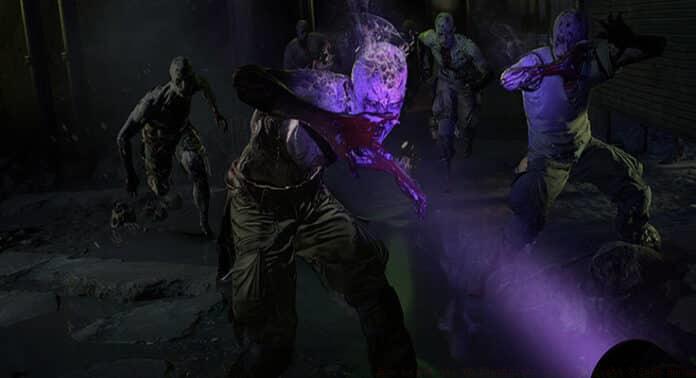
Dying Light 2 incorporates numerous improvements over the original while retaining its most effective survival tools. The ultraviolet flashlight stands as one of the most critical pieces of equipment for navigating Villedor after sunset. This specialized illumination device emits UV radiation that effectively repels all types of infected creatures, with particular effectiveness against the terrifying Volatiles that dominate the night.
The strategic value of this tool cannot be overstated – it creates temporary safe zones in darkness, allowing for emergency repositioning during chases and providing crucial seconds to plan escape routes. Unlike conventional flashlights, the UV variant doesn’t just illuminate your surroundings but actively pushes back the infected hordes, making it indispensable for both survival and aggressive nighttime looting expeditions.
Proper utilization requires understanding enemy behavior patterns and environmental factors. Volatiles react differently to UV exposure based on distance and duration, creating opportunities for tactical maneuvers. Learning these behavioral nuances separates novice survivors from experienced night runners who can confidently traverse the most dangerous districts of The City.
Acquiring and Upgrading Your UV Flashlight
Similar to the first game, Dying Light 2 automatically provides players with the UV flashlight through main story progression rather than requiring separate acquisition. You’ll obtain this essential survival tool during the “Welcome on Board” mission, which serves as a significant milestone in your journey through Villedor. This placement ensures players have developed fundamental parkour and combat skills before confronting the heightened dangers of nighttime exploration.
The upgrade system for your UV equipment involves visiting Craftmaster stations scattered throughout the city. These specialized vendors can enhance your flashlight’s battery capacity and effectiveness using Military Tech, a valuable resource obtained from GRE Containers and combat trophies. Strategic resource allocation becomes crucial, as Military Tech serves multiple upgrade paths beyond just flashlight improvements.
Progression timing works advantageously – by the time you reach the “Welcome on Board” mission, you’ll have accumulated sufficient experience points and character levels to confidently handle nocturnal challenges. This careful pacing prevents newer players from being overwhelmed while providing veterans with tools to tackle more ambitious nighttime objectives immediately upon acquisition.
Advanced UV Flashlight Strategies
Mastering the UV flashlight extends beyond simple point-and-shine mechanics. Experienced players develop sophisticated techniques like burst illumination to conserve battery during patrol routes and predictive deployment when anticipating enemy ambushes. Combining UV light with environmental elements like UV safe zones creates layered defensive strategies that can turn desperate situations into controlled engagements.
A common mistake involves over-reliance on the flashlight during extended encounters, leading to battery depletion at critical moments. Instead, use short, targeted bursts to create breathing room while maintaining sufficient charge for emergencies. Another frequent error is improper positioning – the UV flashlight works best when you have retreat options, not when cornered in enclosed spaces.
For optimization, veteran players should coordinate UV usage with parkour mobility, using brief illuminations to create windows for traversal through dangerous areas. Timing your bursts to coincide with enemy attack animations can interrupt their assaults while minimizing battery consumption. Remember that the UV flashlight complements your skills rather than replacing them – it’s a tool for creating opportunities, not an invincibility shield.
No reproduction without permission:GameCDjnh » How to get the UV flashlight in Dying Light 2 Stay Human Mastering the UV flashlight in Dying Light 2: Essential strategies for surviving Villedor's dangerous nights