
Master the Pawn Shop in Schedule 1 with expert location tips, negotiation strategies, and inventory optimization techniques
Understanding the Pawn Shop’s Role in Schedule 1
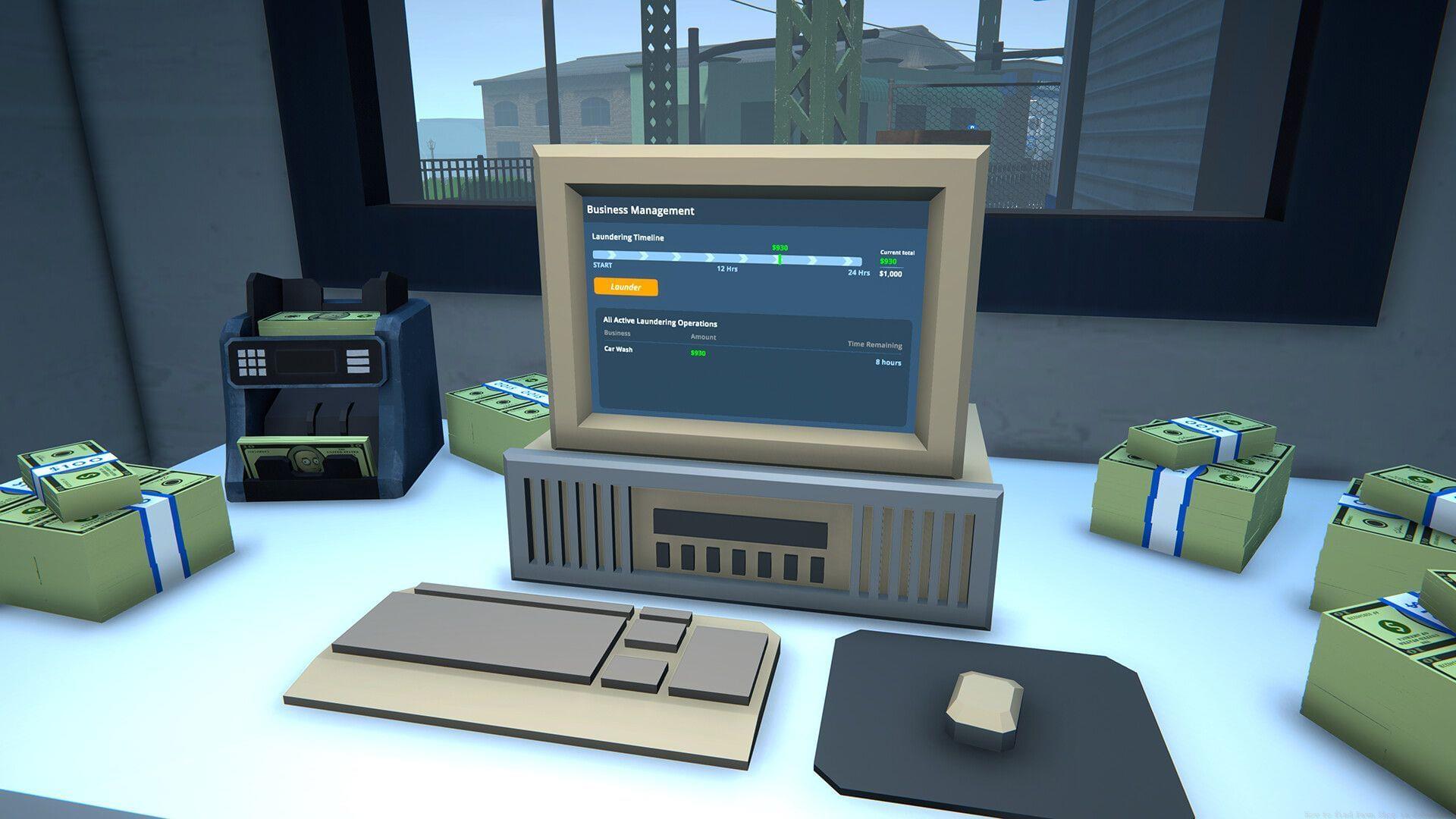
The Pawn Shop in Schedule 1 represents a crucial economic hub that transforms inventory management from a chore into a strategic advantage. This specialized vendor enables players to convert unused equipment and collected items into immediate cash flow, addressing one of the most persistent challenges in resource management games. Beyond simple convenience, mastering this facility provides significant economic leverage, allowing players to reinvest earnings into more valuable upgrades and resources. New players often underestimate how effectively cycling through inventory can accelerate progression, making this knowledge gap a critical hurdle to overcome.
Finding the Pawn Shop Location
Navigating to the Pawn Shop requires understanding the western district’s layout. The most reliable approach involves using the Warehouse as your primary reference point—this industrial structure stands out visually and provides an unmistakable landmark for orientation. From the Warehouse, head southeast until you encounter the commercial strip where the Pawn Shop occupies a prominent storefront.
Advanced players recommend combining Pawn Shop visits with other western district errands to optimize playtime. Plan routes that incorporate multiple objectives in the same geographical area, such as visiting nearby vendors or completing location-specific tasks during the same excursion.
Operating Hours and Beta Access Requirements
Time management proves essential when utilizing the Pawn Shop, as it maintains strict business hours from 6 am to 6 pm in-game time. The establishment remains completely inaccessible during evening and nighttime hours, requiring players to plan their selling activities within this twelve-hour window. Missing operating hours represents one of the most common beginner frustrations, potentially wasting valuable travel time.
Accessibility depends on enabling beta updates through Steam’s platform. To activate this feature, right-click Schedule 1 in your Steam library, select Properties, navigate to the Beta tab, and opt into the beta program. This not only unlocks the Pawn Shop but provides early access to other developing features as Schedule 1 continues its active development phase.
Strategic timing: Schedule your visits during mid-morning or early afternoon to avoid rush periods when multiple players might converge on the location. Early gameplay sessions benefit from visiting shortly after opening to liquidate starter items, while advanced players should coordinate visits with inventory saturation points.
Advanced Selling Techniques and Negotiation
Also read: How to use the Journal in Schedule 1
Mastering the selling process involves more than simple transactions. Begin by carefully selecting items from your inventory that have depreciated in utility but retain respectable market value. Transport these to the Pawn Shop and initiate dialogue with the resident NPC merchant, who will automatically assess your offered item and propose an initial buying price.
The negotiation phase separates amateur sellers from experts. When the NPC presents their offer, you have approximately three seconds to decide whether to accept or attempt renegotiation. Successful haggling typically increases returns by 15-25%, but push too aggressively and the merchant may refuse entirely. Observation suggests NPCs have hidden tolerance meters that decrease with each successive negotiation attempt during a single visit.
Advanced technique: Note which item types yield better negotiation success rates. Common equipment typically allows modest increases (10-15%), while rare or unique items sometimes permit more aggressive pricing (20-30%) due to their scarcity. The merchant’s mood may also influence outcomes—transactions during rainy weather or specific in-game events sometimes yield different results.
Pro Player Optimization Strategies
Seasoned Schedule 1 enthusiasts develop sophisticated Pawn Shop strategies that maximize efficiency and profitability. Establish a regular inventory evaluation routine—ideally after major gameplay sessions—to identify items ripe for liquidation. Prioritize equipment that has been superseded by upgrades or resources that exceed your immediate crafting needs.
Avoid these common mistakes: Don’t visit during closed hours (double-check the in-game clock), don’t undervalue rare items (research approximate values first), and don’t attempt to sell quest-essential items that cannot be reacquired. Additionally, novice players often overlook that damaged or degraded items fetch significantly reduced prices—repair equipment before selling when economically feasible.
Inventory rotation strategy: Maintain a balanced approach where 20-30% of your storage capacity cycles through the Pawn Shop regularly. This prevents inventory clog while ensuring you always have essential tools available. High-level players often use the Pawn Shop as a primary funding source for expensive late-game upgrades, making mastery essential for efficient progression.
Follow Sportskeeda for more updates, guides, and news.
No reproduction without permission:GameCDjnh » How to find Pawn Shop in Schedule 1 Master the Pawn Shop in Schedule 1 with expert location tips, negotiation strategies, and inventory optimization techniques