
Unlocking Nod-Krai’s hidden lore secrets: Fatui control, Abyss influence, and Khaenri’ah connections revealed
Nod-Krai Introduction and Key Locations
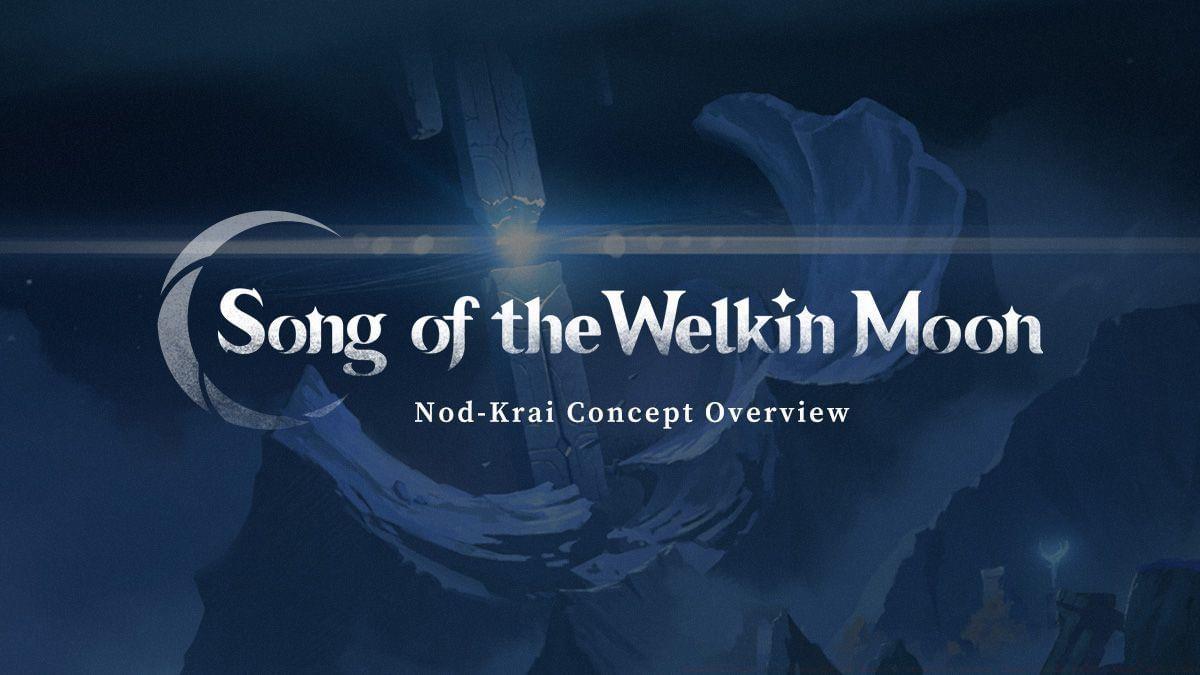
HoYoverse’s latest Genshin Impact web event, Song of the Welkin Moon, provides our first comprehensive look at Nod-Krai, the forthcoming major region that promises to reshape Teyvat’s narrative landscape. This preview delivers more than just visual teasers—it strategically unveils the political dynamics, faction conflicts, and ancient mysteries that will define this northern territory. Unlike previous regions that focused primarily on elemental themes, Nod-Krai appears designed as a convergence point for multiple ongoing storylines, making it essential for players to understand its strategic importance before arrival.
- Paha Isle: This territory shows clear Fatui occupation with visible military infrastructure. Players should anticipate heavy Snezhnayan presence and potential resource conflicts here.
- Nasha Town: The Voynich Guild’s established base suggests academic and archaeological significance, possibly housing ancient texts or artifacts.
- Hiisi Island: Home to the Frostmoon Scions, this location likely contains cryo-aligned puzzles and environmental mechanics requiring specific team compositions.
- Lempo Isle: Clink Clink Krumake’s Craftshop connection indicates crafting material abundance and potential new weapon/artifact recipes.
- Blue Amber Lake: While currently mysterious, its name suggests hydro or geo elemental significance, possibly relating to condensed elemental energy formations.
Fatui Influence and Statue Significance
The Statues of the Seven throughout Nod-Krai present a dramatic departure from previous designs, all crafted in the likeness of Columbina, the Third Fatui Harbinger known as the “Moon Maiden.” This represents the first instance where Celestial imagery has been explicitly replaced by Fatui iconography, signaling a fundamental shift in the region’s spiritual and political landscape. The statue at Paha Isle particularly stands out, completely encased in reinforced steel that appears to serve multiple strategic purposes for the occupying forces.
This metallic encasement likely functions as both an energy extraction mechanism and a public access control system. From a gameplay perspective, players should prepare for potential energy-draining mechanics in Fatui-controlled areas, similar to but more advanced than the Delusions we’ve encountered previously. The steel barriers also serve to physically separate the local population from their traditional places of worship, transforming symbols of divine protection into tools of authoritarian control.
Strategic Insight: Veteran players should anticipate puzzle mechanics involving these altered statues, potentially requiring specific elemental combinations to bypass Fatui security measures. The repurposing of divine artifacts for energy extraction suggests the Fatui may be attempting to harness archon-level power, making this region crucial for understanding their endgame objectives.
Abyss Order’s Growing Presence
Beyond Fatui occupation, Nod-Krai shows concerning signs of Abyss Order infiltration, with the Wild Hunt faction emerging as the primary instigators. Their activities appear more coordinated and strategically sophisticated than previous encounters, suggesting this isn’t random monster behavior but a calculated campaign with specific objectives. The timing aligns perfectly with version 6.x updates, indicating this regional conflict will escalate into a major narrative arc.
Based on established Abyss tactics, their operations in Nod-Krai likely focus on two primary objectives: corrupting the region’s ley line networks and accessing sealed ancient powers buried deep beneath the terrain. Ley line corruption could manifest through environmental hazards, corrupted enemy variants, and altered elemental reactions that players must navigate. The potential unsealing of ancient powers might introduce new boss mechanics or world-level events requiring cooperative play.
Common Pitfall Avoidance: Players should avoid underestimating the Wild Hunt faction’s tactical intelligence. Unlike previous Abyss encounters that relied on brute force, this faction demonstrates strategic planning that will require adaptive combat approaches and careful resource management during exploration.
Khaenri’ah Connections and Symbolism
The Adventurers’ Guild emblem in Nod-Krai presents one of the region’s most intriguing mysteries, featuring a distinctive eight-pointed star that bears uncanny resemblance to symbols associated with the fallen nation of Khaenri’ah. While the guild has consistently used eight-pointed star imagery, this particular iteration incorporates design elements and proportional ratios that directly parallel Khaenri’ahn architecture and artifacts encountered in previous storylines.
This symbol’s historical significance extends beyond Teyvat, representing the Star of Ishtar from ancient Mesopotamian mythology, associated with the goddess Ishtar and her Sumerian counterpart Inanna. The connection suggests the Adventurers’ Guild may have deeper roots in Teyvat’s ancient history than previously revealed, potentially originating from or being influenced by Khaenri’ahn survivors. This makes Nod-Krai potentially crucial for understanding the guild’s true origins and ultimate objectives.
Lore Connection Strategy: Players should carefully document all Adventurers’ Guild interactions in Nod-Krai, as dialogue choices and quest decisions here may reveal critical information about Khaenri’ah’s legacy that won’t be available elsewhere in Teyvat.
Ancient History and Future Implications
The Song of the Welkin Moon event concludes with a profound revelation about the “Nameless Ruler” responsible for raising Teyvat’s three moons in antiquity, explicitly identified as the Dragon King Nibelung. This connection positions Nod-Krai as the geographical heart of dragon-related lore and celestial mechanics within Genshin Impact’s expanding narrative. The three moons likely represent celestial bodies with distinct elemental affiliations or temporal significance.
Nod-Krai’s deep ties to Celestia’s history and the origins of divine power suggest this region will serve as the primary setting for exploring the fundamental conflicts between celestial, abyssal, and earthly powers. With Nibelung becoming increasingly relevant in current Archon Quests, his legacy in Nod-Krai may explain the true nature of dragon sovereignty and its relationship with the heavenly principles enforced by Celestia.
Advanced Player Insight: The three moons mythology likely introduces new time-based or phase-shift mechanics affecting world exploration and combat. Players should prepare for environmental conditions that change based in-game time cycles or lunar phases, requiring different team compositions and strategies for various time periods.
As the narrative converges in Nod-Krai, this region stands poised to become Genshin Impact’s most transformative story arc since the Inazuma conflict. The gradual surfacing of Teyvat’s buried history through Archon Quests finds its culmination here, promising revelations that will redefine our understanding of the game’s core mythology and set the stage for the final chapters of the Traveler’s journey.
No reproduction without permission:GameCDjnh » Genshin Impact: 5 interesting details revealed in new “Song of the Welkin Moon” web event Unlocking Nod-Krai's hidden lore secrets: Fatui control, Abyss influence, and Khaenri'ah connections revealed