
TL;DR
- Baldur’s Village mod integrates Baldur’s Gate 3 characters into Stardew Valley with custom quests and mechanics
- Development led by fan artist Xun focuses on authentic pixel art representation and gameplay integration
- Mod features independent map, character-specific interactions, and potential combat mechanics
- Translation challenges being addressed for global accessibility while maintaining narrative quality
- Players can prepare by exploring existing mods and understanding Stardew Valley modding ecosystem
Gaming enthusiasts are witnessing an unprecedented fusion as dedicated modders bridge the gap between Stardew Valley’s pastoral charm and Baldur’s Gate 3’s rich narrative depth. This ambitious project, titled “Baldur’s Village,” represents a significant achievement in community-driven content creation, developed by a passionate trio committed to delivering immersive cross-universe experiences.
The mod’s core innovation lies in seamlessly integrating beloved Baldur’s Gate 3 companions—Astarion, Shadowheart, Gale, and Halsin—into Stardew Valley’s pixel-perfect countryside. Beyond simple character swaps, these imports bring their distinctive personalities, potential questlines, and interactive dialogue trees that respond to player choices, creating dynamic relationships mirroring their original game counterparts.

What sets this modification apart is its attention to mechanical integration. Players can anticipate character-specific farming preferences—Astarion might favor nightshade cultivation while Gale demonstrates affinity for magical herbs—adding strategic depth to agricultural planning. The development team has also hinted at potential combat mechanics inspired by Baldur’s Gate 3’s tactical systems, adapted for Stardew Valley’s simpler combat framework.
Spearheading this ambitious undertaking is Xun, a recognized Baldur’s Gate 3 fan artist whose distinctive visual style has garnered substantial community appreciation. Their artistic direction ensures that each character maintains their original personality while adapting to Stardew Valley’s aesthetic constraints, requiring careful balance between recognition and stylistic consistency.
The development philosophy centers on authenticity preservation—ensuring that character dialogues reflect their established voices, relationships maintain canonical dynamics, and visual representations honor both source materials. This involves extensive research into both games’ lore systems and mechanical frameworks to create believable interactions that satisfy fans of both franchises.
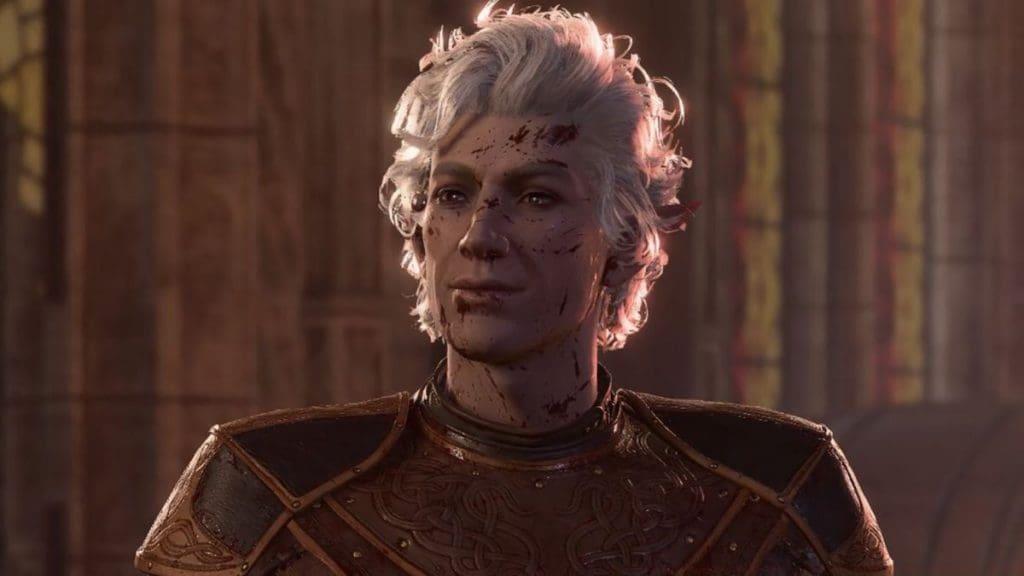
Artistic challenges include translating high-fidelity Baldur’s Gate 3 character models into Stardew Valley’s pixel art format while preserving distinctive features and expressions. The team has developed custom animation frames for character-specific emotes and interactions, significantly expanding beyond standard NPC behaviors. Their pixel art expertise demonstrates how stylistic constraints can enhance rather than limit character expression when handled by skilled artists.
Common development pitfalls the team avoids include character power imbalance (ensuring no single companion overshadows Stardew Valley’s original cast) and narrative cohesion (maintaining Stardew Valley’s tone while honoring Baldur’s Gate 3’s darker themes). Their solution involves gradual character introduction and context-appropriate dialogue adjustments.
Currently in active development, Baldur’s Village has achieved several significant milestones despite lacking a confirmed release timeline. The team has completed an independent map design for Baldur’s Village itself—a self-contained area that connects to Pelican Town while maintaining its distinct architectural identity inspired by Baldur’s Gate environments.
Building styles within the mod demonstrate remarkable diversity, ranging from Shadowheart’s Sharran-inspired dark stone structures to Halsin’s nature-integrated druidic dwellings. Each building not only serves functional purposes but also reinforces character identities through environmental storytelling, a detail that enhances immersion for players familiar with the source material.
Translation efforts present substantial challenges, particularly preserving character voice nuances across languages. The team is collaborating with native speakers and professional translators to ensure dialogue maintains its original flavor while becoming accessible to global audiences. This multi-layered approach to localization goes beyond simple text translation to consider cultural context and humor adaptation.
Technical implementation requires careful mod compatibility management, especially for players using multiple Stardew Valley expansions. The developers are implementing modular loading systems and conflict resolution protocols to minimize installation issues. Advanced players should note that save file management becomes crucial when integrating large-scale mods—regular backups are recommended during the testing phase.
Optimization considerations include memory management for the additional assets and ensuring performance remains smooth on lower-end systems. The team is implementing progressive asset loading and optional texture quality settings to accommodate diverse hardware capabilities.
Looking beyond the initial release, the development team has outlined an ambitious expansion roadmap that potentially includes additional Baldur’s Gate 3 characters, extended questlines, and seasonal events specific to the crossover narrative. Community feedback will play a crucial role in prioritizing these additions, with planned integration of suggestion systems and beta testing phases.
Potential future features might include character-specific festivals, romance options extending the existing relationship mechanics, and integration of Baldur’s Gate-inspired mini-games that complement Stardew Valley’s activities. The developers are carefully evaluating which elements from the RPG would enhance rather than overwhelm the farming simulation core experience.
Long-term vision involves creating a sustainable content pipeline that periodically introduces new interactions and story developments, preventing the mod from becoming static post-release. This approach mirrors live service games’ content updates while respecting the modding community’s voluntary development constraints.
Players interested in influencing development direction can engage through the team’s designated community channels, where concept art, mechanic proposals, and narrative ideas are regularly discussed. This collaborative approach ensures the final product reflects community desires while maintaining the developers’ creative vision.
While awaiting Baldur’s Village’s official launch, players can prepare their Stardew Valley installation for optimal mod integration. Begin by exploring the extensive mod ecosystem through platforms like Nexus Mods, focusing on utility mods that enhance compatibility and management capabilities. Understanding Class Guide principles for character specialization can provide insights into how different playstyles might interact with the new characters.
Essential preparation includes installing foundational frameworks like SMAPI (Stardew Modding API) and Content Patcher, which most modern mods require. Players should familiarize themselves with load order management and conflict resolution—skills that become increasingly important when combining multiple complex modifications.
For those new to Stardew Valley modding, starting with smaller character additions or cosmetic changes provides valuable experience before undertaking major overhauls like Baldur’s Village. The Complete Guide to modding fundamentals offers systematic approaches to building stable mod configurations that can accommodate ambitious projects.
When Baldur’s Village releases, installation will likely follow standard mod procedures but may require specific dependency mods or framework versions. The development team promises detailed installation guides and troubleshooting resources to smooth the onboarding process. Meanwhile, studying Weapons Unlock progression systems can help understand how character abilities might be integrated into Stardew Valley’s skill development framework.
Anticipate potential compatibility considerations with other major overhaul mods, particularly those affecting NPC schedules, map layouts, or relationship systems. Creating separate save files for mod testing prevents corruption of primary gameplay experiences while exploring new content.
Action Checklist
- Install SMAPI and Content Patcher frameworks
- Explore existing Stardew Valley mods to understand installation processes
- Create dedicated save files for mod testing separate from main gameplay
- Follow development updates through official community channels
- Learn basic mod conflict troubleshooting and load order management
No reproduction without permission:GameCDjnh » Explore Romance with Baldur’s Gate 3 Characters in Stardew Valley Mod How Baldur's Village mod merges Stardew Valley with Baldur's Gate 3 characters and gameplay mechanics