
Movie Games SA clarifies copyright investigation status for Schedule 1 amid review bombing fallout
Controversy Overview and Initial Confusion
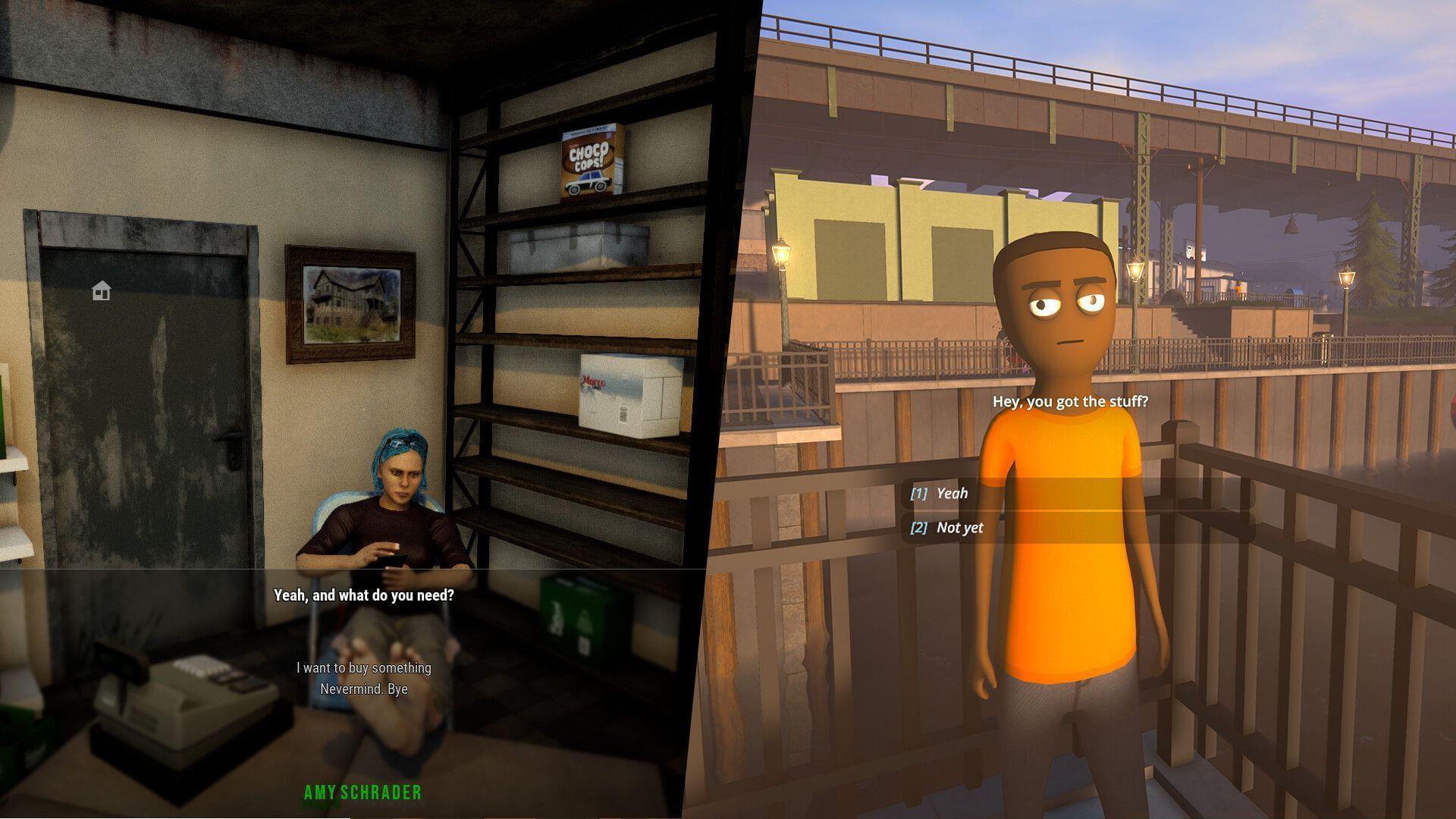
The gaming community has been buzzing with speculation about the legal situation between two drug-dealing simulation titles. Movie Games SA, publisher of Drug Dealer Simulator, has now provided crucial clarification about their position regarding Schedule 1. Their comprehensive statement shared via social media platform X addresses numerous misconceptions circulating online and definitively states that no formal legal action has been initiated against the competing title’s development team.
Schedule 1 immerses players in the underground world of illicit substance distribution, challenging them to build criminal enterprises while evading law enforcement. The irony isn’t lost on observers that a game about legal troubles now faces its own real-world copyright scrutiny. Multiple gaming news outlets recently reported that Movie Games SA had allegedly launched a copyright infringement probe examining potential similarities between the two titles.
The core allegations suggest Schedule 1 may have incorporated more than just thematic elements, potentially borrowing fundamental gameplay systems and interface designs from the established Drug Dealer Simulator. An internal legal assessment conducted by Movie Games SA indicated sufficient commonalities to warrant preliminary examination, though this falls far short of litigation.
Publisher’s Official Statement Breakdown
Movie Games SA’s recent public communication provides unprecedented transparency about their corporate position. The statement begins by unequivocally confirming that no lawsuit has been filed targeting the TVGS development team behind Schedule 1. Furthermore, the publisher explicitly stated they are not attempting to halt Schedule 1’s commercial distribution or ongoing development efforts, positioning their actions as protective rather than aggressive.
The explanation delves into corporate governance requirements, noting that as a publicly traded entity, Movie Games SA operates under strict legal obligations to investigate potential intellectual property concerns. Failure to examine credible copyright claims could expose the company to shareholder liability and regulatory complications. This corporate responsibility aspect is often misunderstood by gaming communities unfamiliar with public company compliance requirements.
Critical clarification was provided regarding communication channels – the initial legal analysis notification was distributed exclusively through the ESPI (Electronic System for Public Information), a platform designed specifically for stock market-related disclosures. This explains why the information reached investors before general gaming media. Additionally, the statement clearly separates Byterunners, the actual developers of Drug Dealer Simulator, from any involvement in the copyright examination process. Movie Games SA extended professional courtesy to TVGS, noting they had previously expressed well-wishes for Schedule 1’s launch before these concerns emerged.
Community Response and Impact Analysis
The current available information paints a complex picture of inter-developer relations amid copyright concerns. Unfortunately, the circulating rumors about potential litigation have triggered significant community backlash against Drug Dealer Simulator. The title has experienced substantial review bombing on Steam, with players expressing disapproval through over 2,000 negative reviews in recent days. This coordinated negative feedback has dramatically impacted the game’s storefront presentation, resulting in an Overwhelmingly Negative rating that may discourage new purchases.
This situation highlights the gaming community’s tendency to react strongly to perceived corporate aggression against smaller developers, even when facts remain unclear. The rapid escalation from investigation rumors to review bombing demonstrates how quickly misinformation can damage a game’s reputation and commercial performance. Industry observers note that such community responses often occur before all factual details emerge, creating lasting harm to developer-publisher relationships and player perceptions.
Looking for Crossword hints & solutions? Check out latest NYT Mini Crossword Answers, LA Times Crossword Answers, and Atlantic Crossword Answers
Practical Guide for Similar Situations
For developers and publishers navigating similar copyright concerns, this situation offers valuable lessons about communication and community management. When potential intellectual property issues arise, transparent and timely communication can prevent misinformation from filling the vacuum. Public companies particularly should consider releasing simultaneous statements to both investor channels and public platforms to avoid perception gaps.
Common mistakes in copyright disputes include waiting too long to address rumors, using overly legalistic language that alienates communities, and failing to separate development teams from corporate decisions. Best practices involve clear differentiation between preliminary investigations and formal legal action, emphasizing ongoing respect for fellow developers, and providing context about regulatory obligations that may not be widely understood.
Read more articles here:
For gaming communities, this situation underscores the importance of verifying information before participating in collective actions like review bombing. While supporting smaller developers is commendable, ensuring responses are based on accurate facts protects both community integrity and developer livelihoods. The gaming ecosystem thrives when competition and inspiration coexist within legal and ethical boundaries.
No reproduction without permission:GameCDjnh » Drug Dealer Simulator publisher responds to Schedule 1 copyright controversy Movie Games SA clarifies copyright investigation status for Schedule 1 amid review bombing fallout