
Master the Personality system in Digimon Story Time Stranger with strategic tips and optimization techniques
Understanding the Personality System Mechanics
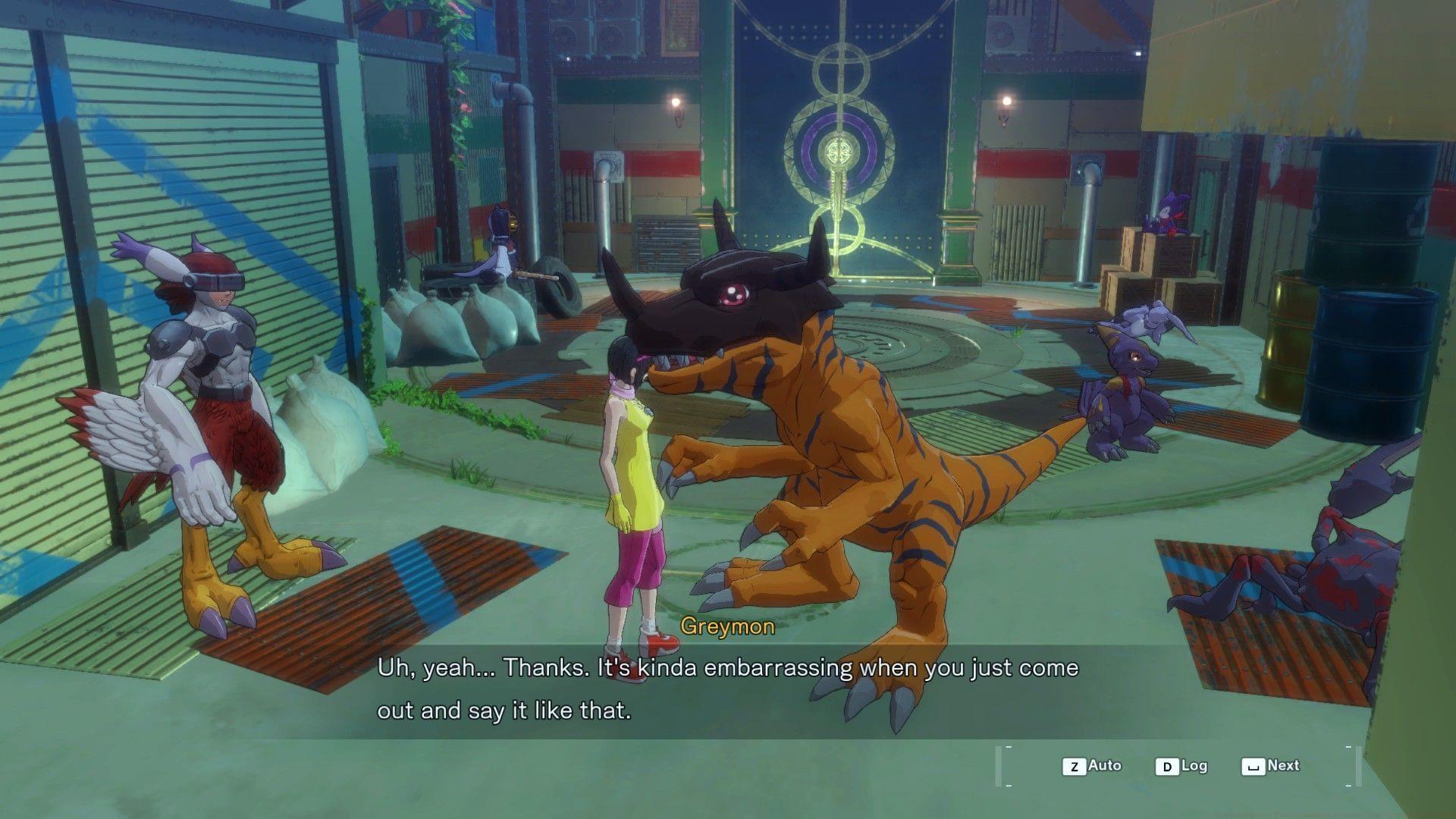
While the Digimon franchise boasts numerous gaming experiences, Digimon Story Time Stranger stands apart with its sophisticated mechanics. Bandai Namco’s 2025 release combines strategic turn-based combat with dynamic evolution mechanics and a deeply integrated Personality framework that significantly impacts gameplay progression. A Digimon’s Personality directly influences their statistical development, creating unique growth patterns that enhance combat effectiveness.
The sub-group classifications introduce secondary stat enhancements, providing your digital partners with complementary attribute bonuses. This dual-layered system ensures each Digimon receives distinct statistical advantages from both primary personality traits and secondary subgroup affiliations.
Statistical benefits from Personality traits accumulate progressively through level advancement. As an example, a digital companion categorized under the Sly sub-group within the Wisdom quadrant receives additional HP and INT bonuses during each evolutionary stage progression. It’s crucial to recognize that every Digimon begins with a foundational Personality that frequently transforms through the evolutionary process.
Practical Personality Modification Methods
Your Digimon’s Personality characteristics evolve substantially through interactive engagement. You can actively shape their behavioral traits via dialogue choices, though this mechanic requires consistent battle participation. During post-combat recovery phases, your partners will frequently pose questions that influence personality development, so maintaining attentiveness to these interactions is essential. Response options feature symbolic indicators aligned with various Bond categories.
Don’t stress about selecting suboptimal personality traits for your Digimon initially. The Di-Digivolution mechanic provides opportunities for personality recalibration and retraining, offering flexibility in character development.
Another effective approach involves utilizing the Digifarm facility within Digimon Story Time Stranger. Known as the In-Between Theatre, this environment functions as a dedicated training area for your digital companions. Allocating approximately 30-minute sessions within this domain enables experience accumulation and Personality trait development through automated processes.
Pro Tip: For optimal Digifarm results, rotate your Digimon every 30-45 minutes to maximize personality development across your entire roster. Monitor their conversation patterns to identify which Bond symbols appear most frequently, as this indicates dominant personality tendencies.
Advanced Personality Skill Optimization
Whenever a Digimon undergoes Personality transformation, they unlock specialized Personality Skills. Similar to Agent Skills, these represent passive capabilities that deliver various combat advantages and strategic benefits.
Skill Synergy Strategy: Align Personality Skills with your combat team composition. For instance, a ‘Brave’ personality Digimon gains offensive bonuses that complement defensive-focused partners. Consider creating personality-balanced teams where skills create complementary effects rather than overlapping benefits.
Advanced Technique: Track which personality combinations yield the most beneficial skill sets for your playstyle. Some personality traits unlock rare skills only available through specific evolution paths or dialogue choice patterns accumulated over multiple battles.
Pro Tips and Common Pitfalls
Avoid These Common Mistakes: Many players overlook the long-term implications of early conversation choices, leading to mismatched personality traits for their intended evolution paths. Another frequent error involves leaving Digimon in the Digifarm for extended periods without rotation, resulting in unbalanced team development.
Optimization Strategy: Plan your desired end-game personalities before beginning training. Research which personality traits complement your preferred evolution lines and build conversation patterns accordingly. The most successful trainers maintain detailed records of which dialogue options influence specific personality alignments.
Efficiency Tip: Combine Digifarm training with active gameplay sessions. While some personalities develop better through combat interactions, others benefit more from concentrated Digifarm time. Learning which method works best for each personality type saves significant training time.
Check out our other Digimon Story Time Stranger articles:
No reproduction without permission:GameCDjnh » Digimon Story Time Stranger Personality system explained Master the Personality system in Digimon Story Time Stranger with strategic tips and optimization techniques