
Clair Obscur Expedition 33’s AI controversy: Award revocation, industry impact, and gaming’s creative future
The Rise and Fall of an Award-Winning Game
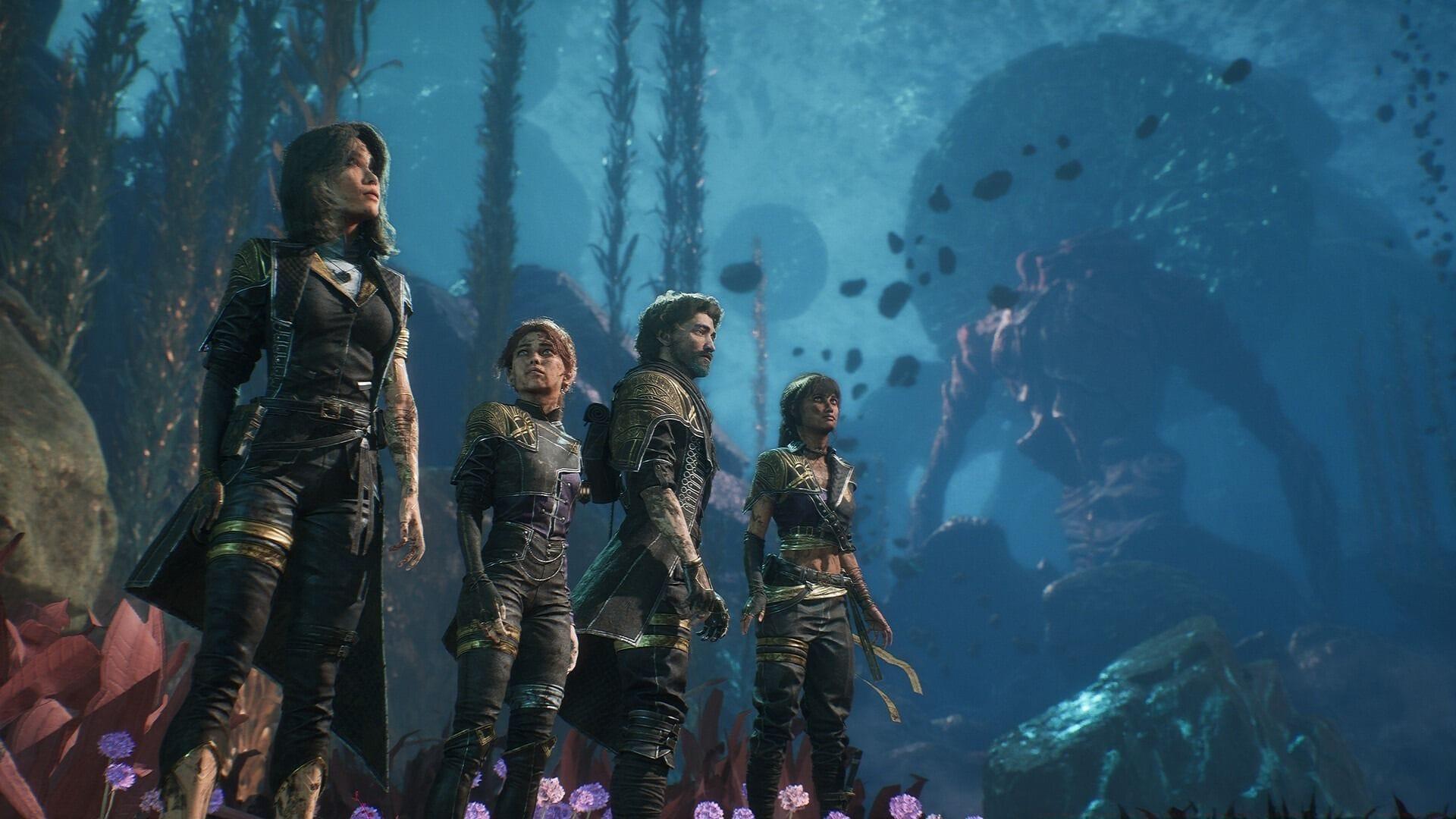
Clair Obscur Expedition 33 initially captured industry attention by achieving remarkable success at this year’s Game Awards, securing an impressive nine different honors. The title’s rapid ascent to Game of the Year status made its subsequent disqualification particularly shocking to both developers and gaming enthusiasts. The controversy erupted when investigative gaming journalists uncovered evidence suggesting artificial intelligence integration within the game’s development pipeline.
The situation escalated rapidly when tournament officials received verified reports confirming generative AI implementation in specific aspects of the game’s creation process. This triggered immediate review procedures that ultimately led to the complete revocation of both major awards. Industry observers noted the speed of this response indicated pre-existing concerns about AI usage in competitive gaming categories.
Gaming communities responded with divided perspectives, with some defending technological innovation while others advocated for preserving purely human creative processes in award consideration. This division reflects broader industry tensions surrounding the appropriate role of AI tools in game development workflows and competitive recognition.
Developer Confessions and Industry Backlash
During a comprehensive interview with Spanish publication El País last July, Sandfall Interactive’s co-founder and production lead François Meurisse openly acknowledged implementing artificial intelligence technologies during development. His statements provided crucial evidence that contradicted earlier developer claims about maintaining exclusively human-driven creative processes.
The Indie Game Awards committee demonstrated zero tolerance for this discrepancy between initial representations and subsequent admissions. Tournament representative Mike utilized Bluesky social platform to announce the formal disqualification, emphasizing that generative AI usage violated competition guidelines regarding authentic creative authorship.
Critical to the committee’s decision was documentation showing Sandfall Interactive had confirmed AI implementation during the game’s premiere event, despite previously assuring judges of its absence. This confirmation-admission pattern created irreconcilable contradictions that mandated award revocation under tournament rules.
Following the disqualification, award redistribution saw Sorry We Are Closed receive the Debut Game honor while Blue Prince claimed the Game of the Year designation. This controversy emerges during an industry-wide movement among creative professionals advocating against AI integration in artistic works across gaming, film, and related media fields.
Understanding Generative AI in Game Development
Generative AI implementation in gaming typically involves algorithms creating content that would traditionally require human artists, writers, or designers. This encompasses character dialogue generation, environmental asset creation, texture development, and even procedural narrative elements. The technology’s capacity for rapid content production creates both efficiency opportunities and creative authenticity concerns.
Industry professionals increasingly debate where to draw boundaries between acceptable AI assistance and problematic automation. Many argue that AI tools for optimization, bug detection, or workflow enhancement differ fundamentally from generative systems that replace core creative decisions. This distinction becomes crucial when evaluating competition eligibility and artistic integrity standards.
Current industry standards increasingly mandate transparent disclosure of AI utilization, particularly in award competitions emphasizing human creativity. Failure to provide accurate implementation details risks not only disqualification but also lasting reputation damage within developer communities. The Clair Obscur Expedition 33 situation exemplifies how disclosure failures can undermine even critically acclaimed projects.
For gaming enthusiasts, understanding AI implementation helps evaluate whether purchased products align with their values regarding creative authenticity. Some players specifically seek games demonstrating purely human craftsmanship, while others prioritize technological innovation regardless of development methods.
Practical Implications for Gamers and Developers
For current Clair Obscur Expedition 33 players, the AI controversy doesn’t directly affect gameplay mechanics or existing content accessibility. The game remains fully functional on distribution platforms with all features intact. However, future content updates and developer support may face increased scrutiny regarding implementation methods and disclosure practices.
Aspiring game developers should note this incident demonstrates growing industry insistence on transparent AI usage reporting. Competition applicants must carefully document any algorithmic assistance in their development pipelines and anticipate increased verification procedures from award committees. Early and honest disclosure typically receives better reception than post-discovery admissions.
The gaming industry’s evolving stance on AI integration suggests developers should establish clear internal policies regarding acceptable versus problematic implementation. Many studios now create formal AI usage guidelines that distinguish between productivity tools and generative replacement of creative roles. These policies help navigate the complex ethical landscape while maintaining competition eligibility.
Industry analysts predict this incident will accelerate formal AI disclosure requirements across major gaming awards and competitions. Future participants should prepare for more rigorous verification processes and potentially specialized categories acknowledging innovative AI implementation separately from traditional human-driven development.
Also read: How to defeat Monsieur Frappe in Clair Obscur Expedition 33
Check out some more articles:
No reproduction without permission:GameCDjnh » Clair Obscur Expedition 33 AI controversy explained: Does Game of the Year 2025 use Generative AI? Clair Obscur Expedition 33's AI controversy: Award revocation, industry impact, and gaming's creative future