
Master Battlefield 6 queue times with expert server status monitoring and optimization strategies
Understanding Battlefield 6 Launch Dynamics
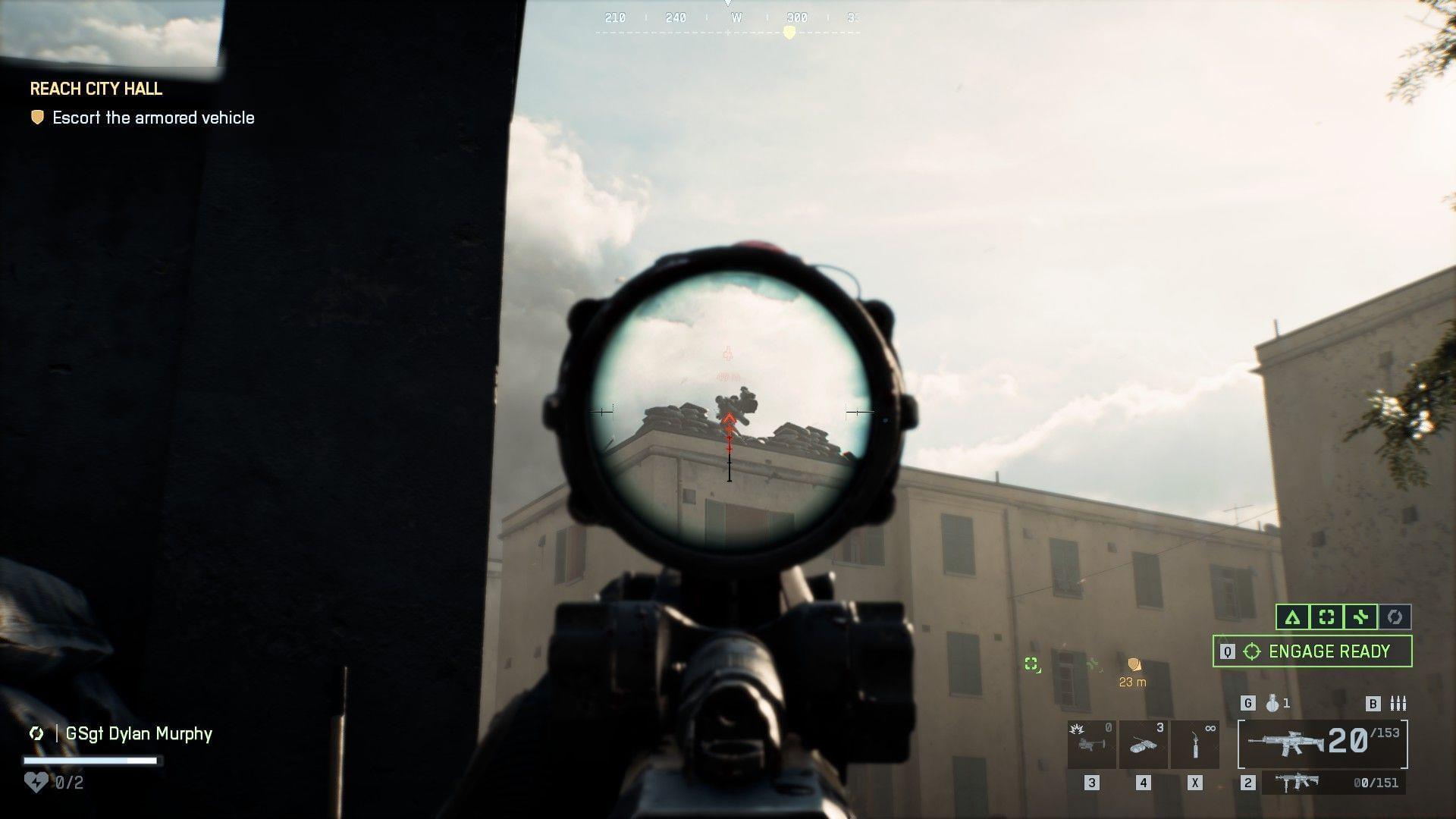
The highly anticipated Battlefield 6 launch represents a landmark moment for first-person shooter enthusiasts, building upon unprecedented pre-release engagement metrics. During the Open Beta phase, the title achieved record-breaking concurrent player counts on Steam’s playtesting platform, establishing itself as one of the most sought-after gaming experiences of the year. This overwhelming player interest naturally raises concerns about server capacity and accessibility during initial rollout periods. Current infrastructure analysis confirms Battlefield 6 servers maintain operational status, though match accessibility may present temporary challenges due to volume management protocols.
Gaming enthusiasts seeking alternative entertainment during queue periods might explore puzzle challenges like NYT Mini Crossword, LA Times Crossword, or Atlantic Crossword variations.
Real-Time Server Status Monitoring
Maintaining awareness of server status requires leveraging multiple monitoring platforms for comprehensive coverage. Third-party diagnostic services including DownDetector provide crowd-sourced outage reporting, while the official Electronic Arts server status portal offers developer-verified operational data. The current official status indicates no widespread service interruptions, though regional variations may occur. For immediate developer communications, players should monitor the dedicated Battlefield Comms account on X (formerly Twitter), which serves as the primary channel for real-time service updates and maintenance announcements.
Related reading: BF6 not working on Xbox: Possible reasons and fixes
Proactive monitoring involves checking multiple sources simultaneously, as third-party services often detect issues before official announcements. Establish a monitoring routine that includes checking regional server status, as connectivity problems may be localized to specific geographical areas rather than representing global outages.
Queue System Mechanics Explained
The official @BattlefieldComm communication channel has detailed the login queue implementation designed to maintain server stability during high-traffic periods. This systematic approach to player admission prevents server overload by regulating connection density, resulting in temporary waiting periods particularly during peak engagement windows. The queue architecture mirrors the system deployed during Open Beta testing, which initially frustrated some users but ultimately ensured consistent performance for connected players.
When encountering static queue positions that fail to advance, the recommended troubleshooting procedure involves completely restarting the game client and reinitiating the connection sequence. This reset often resolves position freezing by clearing temporary connection data and establishing a fresh session with matchmaking services. Understanding that queue times naturally fluctuate based on time of day, day of week, and ongoing in-game events helps manage player expectations regarding wait duration.
Advanced queue mechanics involve session persistence algorithms that prioritize returning players during brief disconnections, though extended absences typically require requeuing. The system employs dynamic scaling that adjusts queue capacity based on real-time server load, meaning wait times can decrease suddenly as additional server resources become available.
Advanced Queue Optimization Strategies
Strategic connection timing represents the most effective approach to minimizing queue exposure. Analysis of player traffic patterns indicates that early morning and late evening sessions typically experience reduced queue times, while prime-time hours between 6-10 PM local time show maximum congestion. Regional server selection also impacts wait duration, with less populated servers often providing faster access despite potentially higher ping rates.
Network configuration optimizations can significantly improve queue experience. Ensuring NAT type is set to open, configuring quality of service (QoS) settings on your router to prioritize gaming traffic, and using wired Ethernet connections instead of WiFi all contribute to more stable queue sessions. Additionally, keeping game clients updated with the latest patches ensures compatibility with current queue algorithms and matchmaking improvements.
For players experiencing consistently extended queue times, exploring alternative game modes with lower population density may provide quicker access. Some specialized game types maintain shorter queues while still offering the core Battlefield experience, making them ideal for players with limited gaming windows.
Additional relevant coverage:
No reproduction without permission:GameCDjnh » Battlefield 6 server status: Is it down right now? Master Battlefield 6 queue times with expert server status monitoring and optimization strategies