
TL;DR
- Path of Exile features two primary damage types: attack-based and spell-based, each with distinct mechanics
- Attack damage divides into physical and elemental subtypes, requiring accuracy and critical strike optimization
- Elemental damage enables strategic enemy weakness targeting and status effect application
- Spell damage integrates with elemental systems but operates through different scaling mechanisms
- Proper damage type mastery significantly impacts character effectiveness and endgame viability
Modern action role-playing games establish their identity through sophisticated combat systems that govern engagement rules and enemy elimination mechanics. Path of Exile exemplifies this design philosophy while incorporating distinctive characteristics that differentiate it from contemporary ARPG releases. The game achieves an intriguing balance between accessibility and complexity, offering streamlined elements alongside deeply intricate systems that reward player mastery.
Path of Exile structures its damage system around two fundamental categories: attacking type and spell-based damage. Each classification possesses unique operational principles and situational advantages that significantly influence combat outcomes. Mastering these damage mechanics enables players to unlock their characters’ full offensive potential and adapt to diverse enemy encounters.
The attacking type damage category further divides into physical and elemental damage subtypes, forming the foundation for melee combatants and bow-wielding specialists. Physical damage represents the raw offensive power delivered through direct weapon strikes, while elemental damage introduces fire, cold, and lightning properties that interact with enemy resistances. Character progression naturally incorporates both damage forms as players acquire superior Path of Exile Items and valuable currency like PoE Exalted Orb, enabling elemental damage to complement and enhance physical offensive capabilities.
Beyond base damage values, accuracy rating and critical strike chance emerge as crucial determinants of offensive effectiveness. Accuracy determines hit probability against evasive targets, while critical strikes multiply damage output during combat. These mechanics become particularly vital when confronting enemies with substantial defensive capabilities or evasion skills. Without sufficient accuracy, even the most powerful attacks prove useless when they fail to connect with intended targets.
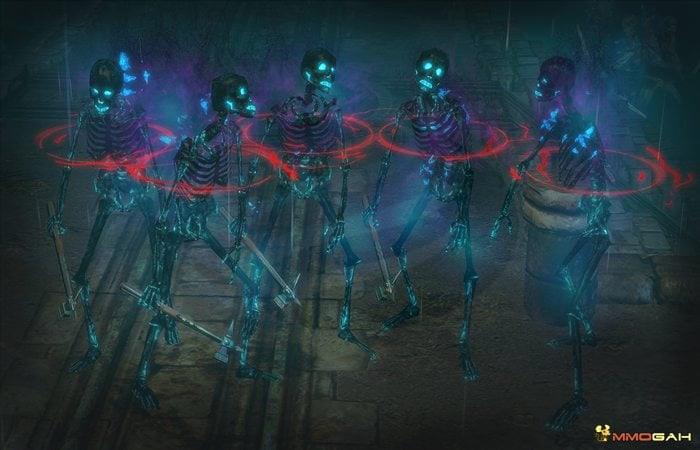
Elemental damage offers strategic versatility through its capacity to target specific enemy elemental weaknesses. This flexibility enables players to dynamically adjust their elemental focus by switching between different skill gems or utilizing various elemental damage auras. Implementation strategies include employing weapons with high attack speed combined with elemental damage skills like Spectral Throw, which effectively applies elemental effects across multiple targets.
The tactical value of elemental damage extends beyond raw damage numbers through the application of debilitating status effects. Shock increases all incoming damage taken by affected enemies, burning inflicts damage over time, and freezing temporarily immobilizes targets. These secondary effects frequently determine combat success in challenging encounters where crowd control and damage amplification prove essential.
Spell damage frequently intersects with elemental damage systems since magical abilities often harness natural elements within the game world. However, distinct spell damage mechanics exist that operate independently from weapon-based attacks, with some spells incorporating physical damage components. These damage interactions are heavily influenced by your accumulated PoE Currency, specialized equipment, character build choices, and combat execution style.
Notable spell examples include Ethereal Knives and Shockwave Totem, both of which benefit significantly from passive skill tree investments and support gem combinations. This customization layer allows players to refine their character builds when utilizing these spells, enhancing their combat effectiveness through strategic passive allocation and gem linking.
Comprehensive understanding of offensive mechanics provides the foundation for exploring defensive systems and advanced character development. Mastering your character’s attack methodology enhances overall Path of Exile comprehension and enables more informed build decisions. For additional poe news and comprehensive gaming resources, visiting MmoGah.com offers valuable insights and community resources.
Strategic currency investment in Path of Exile Items and careful build planning separate mediocre characters from exceptional ones. Players who proactively analyze damage type interactions and enemy resistance patterns consistently achieve superior combat performance and progression efficiency.
Action Checklist
- Identify whether your build primarily utilizes attack or spell damage mechanics
- Test accuracy ratings against high-evasion enemies and adjust accordingly
- Analyze enemy elemental resistances and adapt your damage types accordingly
- Optimize critical strike chance and multiplier through passive skills and gear
- Integrate status effects (shock, freeze, ignite) into your damage rotation
No reproduction without permission:GameCDjnh » Attacking and DPS in Path of Exile Master Path of Exile's damage mechanics to optimize your character builds and combat effectiveness