
Master every biome in PEAK with expert survival strategies, item optimization, and advanced climbing techniques
Introduction to PEAK’s Deadly Biomes
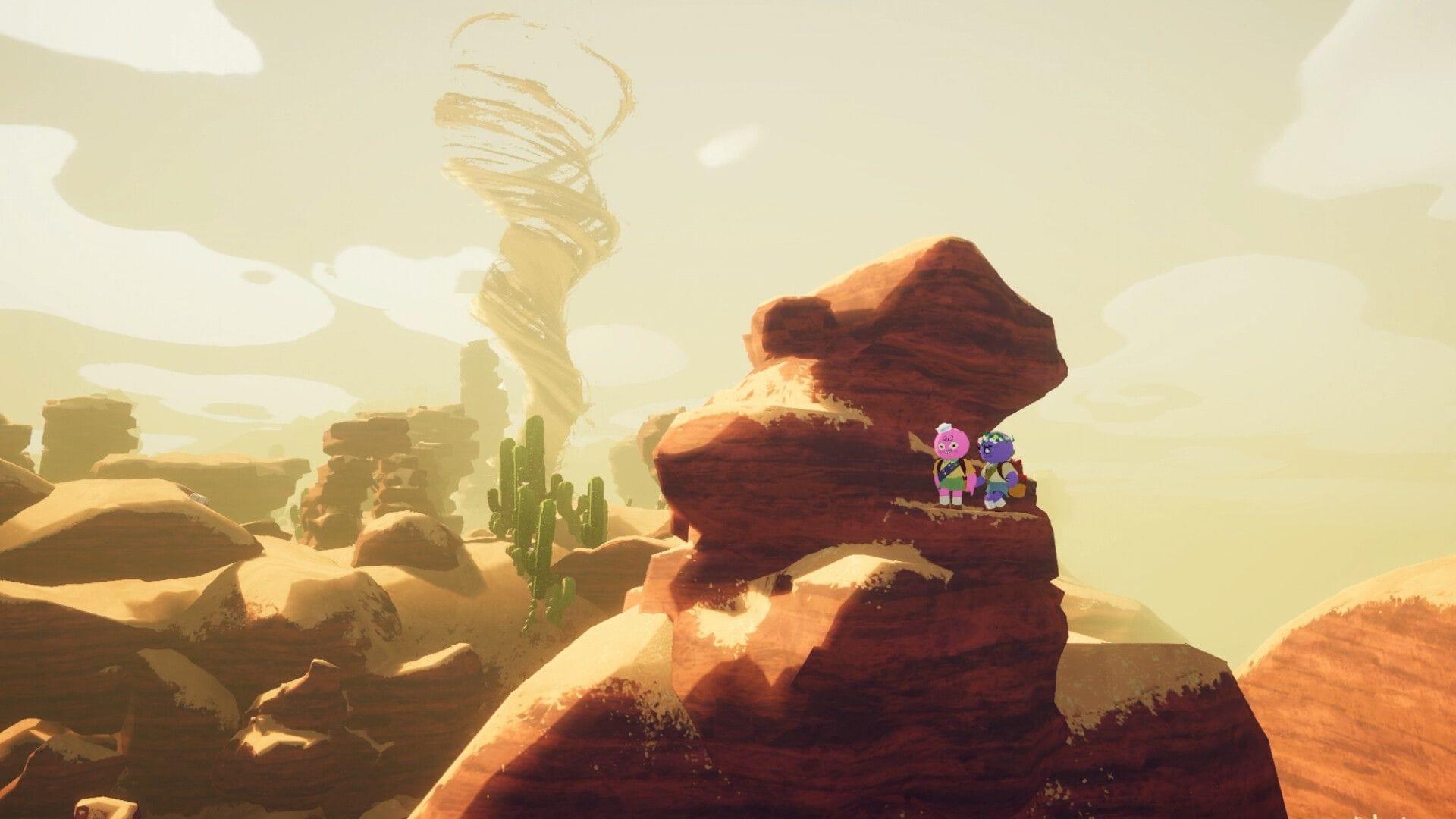
When experienced climbers discuss Biomes in PEAK, they’re referring to the distinct environmental arenas that test your mountaineering expertise through unique mechanical challenges. Each biome presents specialized threats designed to evaluate your proficiency in resource conservation, panic control, and strategic decision-making under pressure. Understanding these environmental patterns separates successful climbers from those who repeatedly plummet to their demise.
The fundamental survival principle across all zones involves meticulous stamina preservation. Environmental afflictions including hypothermia, heatstroke, poisoning, and hunger systematically drain your endurance bar, making proactive management essential. Veteran players consistently emphasize that survival depends more on strategic patience than reckless speed.
Shores: The Deceptively Dangerous Starting Zone
Shores presents as an introductory environment but contains sophisticated mechanics that unprepared players frequently underestimate. The critical success factor involves comprehensive preparation before ascending. Collect and cook multiple coconuts at beachside fires to create stamina-boosting provisions – crack them open, consume the meat, and store surplus for later emergencies.
As difficulty levels increase, nocturnal temperature drops introduce hypothermia risks. The shipwreck lantern transforms from optional equipment to essential survival gear when maintained in your backpack. Experienced climbers recommend keeping it fueled throughout your ascent to counter sudden cold snaps.
Bridge collapse mechanics demand immediate response protocols. The distinctive creaking audio cue signals imminent structural failure, requiring either rapid traversal to safety or instant attachment to adjacent wall surfaces. Many newcomers discover their first lethal lesson here through hesitation or misjudged timing.
Pro Tip: Always carry three cooked coconuts minimum and listen for bridge audio cues while maintaining lantern fuel above 50% capacity.
Also read: What does the Flare do in PEAK?
Tropics: Mastering Rain and Hazard Avoidance
Activating the initial campfire transports climbers to Tropics, where precipitation mechanics dominate the challenge landscape. Rain-slicked surfaces dramatically reduce traction, transforming straightforward climbs into precarious slipping hazards. Unless executing brief jumps, experienced players recommend waiting out storms in protected areas.
Interior cave networks and overhung rock formations provide precipitation-free pathways that circumvent the most dangerous wet sections. Strategic route planning through these dry zones can conserve significant stamina and prevent accidental falls.
The environmental threat density intensifies rapidly here: aggressive bee swarms, venomous thorn vines, explosive fungal pods, toxic terrain patches, and additional sea urchin concentrations. Bee colonies prove particularly problematic since they spawn duplicated and pursue relentlessly once agitated until delivering multiple stinging attacks.
Tropical survival prioritizes advanced reconnaissance. From the Shores campfire vantage, survey the entire zone to identify optimal paths before commitment. Cooperative play emphasizes communication discipline – one player misjudging a poisonous area can eliminate the entire team. The extensive vine networks offer alternative routes when navigated carefully, though missteps result in rapid descents.
Novice climbers struggling with route identification should utilize Tenderfoot difficulty, which eliminates the pursuing fog mechanic. Once path familiarity develops, standard difficulty becomes substantially more manageable.
Advanced Technique: Use the high vantage point to map three potential routes before descending, and assign team members specific hazard-watching responsibilities.
Alpine: Surviving Extreme Cold and Frostbite
Following Tropics’ chaotic intensity, Alpine shifts focus toward strategic patience and environmental timing. Blizzard events occur in predictable cycles, and when arctic winds intensify, they inflict Frostbite unless you secure cover. Forested areas provide insufficient protection; only substantial mountain geology blocks these freezing gusts effectively.
Within PEAK’s biome spectrum, Alpine distinguishes itself through severe meteorological punishment and deliberate, methodical progression pacing. Nutrition management becomes complex since Winterberries hidden within shrubs and trees represent the only local sustenance source. Players who neglected to transport provisions from previous zones depend entirely on these berries for survival.
Thermal regulation relies heavily on the Lantern, assuming you transported it this far. Emergency Heat Packs discovered in luggage compartments are exceptionally rare but invaluable – reserve them for the most severe storm conditions when other warmth sources prove inadequate.
Alpine surfaces conceal deceptive dangers, establishing this as one of PEAK’s most challenging environments. Blue crystalline rock formations appear innocuous but instantly freeze climbers upon contact. Adhere to conventional stone surfaces whenever possible. Discovering a Capybara thermal spring delivers exceptional fortune; these remove Frostbite, restore hunger using Yellow Winterberries, and provide psychological relief in this frigid lethal landscape.
Survival Strategy: Track blizzard timers meticulously, always maintain 5+ Winterberries, and preserve heat packs for emergency situations when lantern fuel runs low.
MESA: Overcoming Desert Heat and Environmental Traps
The MESA expansion introduced August 11, 2025, introduces dramatically different survival challenges within PEAK’s biome roster. Two distinct segments define this area: initial desert canyon networks followed by the monumental mesa formation. Solar exposure functions as an active adversary here – the sun doesn’t merely appear hot, it progressively cooks climbers through accumulating Heat debuffs.
Strategic shadow-hopping becomes essential for survival without succumbing to heatstroke. Protective items including Aloe vera, Sunscreen applications, and Parasols significantly mitigate thermal damage; lacking these, the escalating Heat impairment will incapacitate even skilled climbers.
Cactus contact triggers the Thorns impairment, while unstable dynamite sticks detonate if approached slowly – the optimal technique involves rapid collection and distant projection. Sprinting away frequently results in explosive capture. Additionally, funnel-shaped sand pits conceal antlion predators that emerge to drag climbers downward aggressively. Swift side-scrambling provides the only escape from these traps.
The tornado phenomenon appears catastrophic but enables advanced mobility when exploited properly. Parasol-equipped climbers can ascend into the vortex, then ride winds across vast distances without impact damage. During the mesa ascent itself, Scout Pickaxes generate on canyon walls – utilize these similarly to Pitons for stamina recovery and vertical progression.
Expert Advice: Always move between shadows, carry at least two cooling items, and practice dynamite throwing techniques in safe areas before attempting serious climbs.
MESA Mastery: This update includes 10 unique badges – consult specialized guides for complete achievement requirements.
Caldera and The Kiln: Advanced Lava Navigation
Caldera fundamentally reimagines PEAK’s conventional vertical progression through horizontal traversal across lava-submerged archipelagos. Molten rock surges and recedes in rhythmic patterns, and remaining in low areas during rising phases guarantees instant elimination. Precise timing governs survival here more than any other biome.
Random igneous eruptions occur frequently alongside extensive area-of-effect discharges that rapidly deplete stamina reserves. Medical Kits and Cure-All preparations provide the only dependable methods for extinguishing Fire status effects promptly.
Mobility centers on chain utilization. Numerous islands connect via suspended chains, enabling swinging or rapid transit without stamina expenditure. Advanced practitioners deliberately descend from elevations onto chains to catapult across expanded gaps.
Equipment like Shelf Shrooms and Pitons deliver critical survival advantages here, creating temporary respite points in an environment that otherwise permits minimal recovery opportunities.
Read more: 7 best mods for PEAK
If Caldera presents substantial challenges, The Kiln represents PEAK’s descent into calculated cruelty. This biome distinguishes itself through confined, oppressive environments with continuously ascending lava beneath climbers. Pathfinding emphasizes improvisation rather than predetermined routes, though most wall protrusions can function as recovery points with careful positioning.
Offering the TOMB’s Golden Idol to the lava awards the prestigious 24 Karat Badge for dedicated collectors.
During the concluding segment, endurance conservation becomes critically urgent as lava inundates everything and vertical scales reach absurd heights. Reserved energy beverages and lollipops provide crucial climbing enhancements here, though lollipops induce subsequent drowsiness penalties.
Chain Launchers and climbing ropes often determine whether climbers stall mid-ascent or successfully reach the summit. Upon completion, the volcanic structure reveals the ultimate landmass – the literal Peak – concluding the gaming experience.
Elite Strategy: Master lava rhythm patterns through observation, always preserve one emergency stamina item, and practice chain momentum techniques extensively.
Advanced Biome Mastery Techniques
While each PEAK biome presents unique mechanical challenges, endurance management remains the universal success determinant. Nutritional needs, toxic exposure, temperature extremes, and physical injuries collectively degrade your stamina reserve. Maintaining adequate provisions, antidotes, and recovery points distinguishes sustained survival from rapid unconsciousness.
During cooperative excursions, teammates can transport incapacitated climbers to temporarily halt death countdowns, whereas solo adventurers receive single desperate lunge opportunities before catastrophic descents.
Equipment acquisition provides advantages, but genuine biome mastery depends on recognizing optimal advancement moments versus necessary waiting periods. The game penalizes reckless impatience more severely than any environmental threat.
Pro-Gamer Insights: Top-ranked players consistently emphasize these advanced techniques: master each biome’s audio cues for hazard prediction, always carry one ‘panic button’ item per biome type, practice speed-running individual zones to build muscle memory, and learn precise rest-stop positioning to maximize stamina regeneration efficiency.
This comprehensive guide provides the essential knowledge for conquering every environmental challenge across PEAK’s diverse and deadly biomes.
Check out: What does the Scoutmaster’s Bugle do in PEAK?
No reproduction without permission:GameCDjnh » All Biomes in PEAK and how to survive them Master every biome in PEAK with expert survival strategies, item optimization, and advanced climbing techniques