
Comparing Metal Gear Solid Delta Snake Eater vs The Phantom Pain: Graphics, gameplay, and story differences explained
Graphics Engine Evolution: Fox Engine to Unreal Engine 5
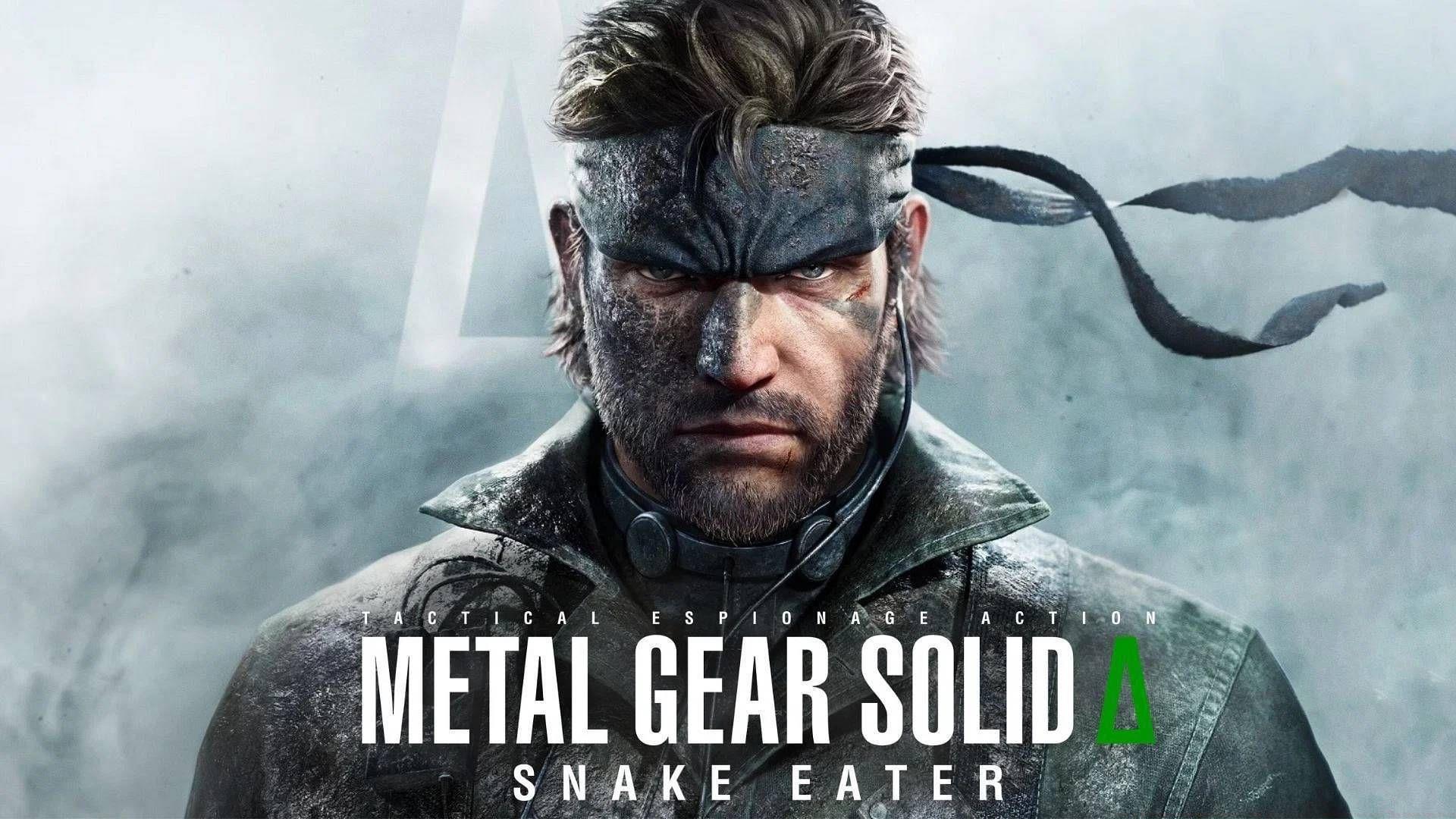
The transition from Fox Engine to Unreal Engine 5 represents the most visually striking advancement between these Metal Gear Solid titles. While The Phantom Pain demonstrated remarkable graphical fidelity for its era, Metal Gear Solid Delta Snake Eater leverages modern rendering technology to achieve near-photorealistic environments.
Konami’s strategic shift to Unreal Engine 5 enables advanced features like dynamic global illumination, nanite virtualized geometry, and lumen lighting systems. These technologies create jungle environments with unprecedented density and atmospheric effects that simply weren’t possible with the Fox Engine architecture.
Pro Tip: Players transitioning from Phantom Pain should expect significantly improved texture resolution, more complex particle effects, and enhanced weather systems that dynamically affect both visibility and gameplay mechanics.
Note: Visual analysis contains subjective elements reflecting the author’s technical evaluation.
Timeline and Story Setting Differences
The chronological gap between these installments spans two decades of in-universe history. Metal Gear Solid Delta Snake Eater immerses players in the 1964 Cold War era, focusing on FOX operative Naked Snake’s mission to sabotage the Soviet superweapon Shagohod and rescue a captured scientist.
Conversely, The Phantom Pain unfolds in 1984, casting players as Venom Snake during the Soviet-Afghan War. This narrative serves as both prequel to the original Metal Gear and continuation of the Ground Zeroes storyline, emphasizing revenge and private military corporation dynamics.
Character Arc Insight: Understanding the protagonist relationship is crucial – Venom Snake serves as a body double for the legendary Big Boss (Naked Snake), creating complex narrative layers that reward players familiar with the series’ extensive lore.
Read more: 7 biggest changes in Metal Gear Solid Delta Snake Eater from the original
Common Mistake: New players often confuse the Snake identities. Remember that Naked Snake becomes Big Boss, while Venom Snake is a separate character serving as his physical duplicate during specific historical periods.
Game World Design Philosophy
The fundamental approach to environmental design diverges significantly between these titles. The Phantom Pain established series benchmarks with its expansive open-world structure, featuring two massive maps spanning Afghanistan and Central Africa with dynamic weather, day/night cycles, and emergent gameplay opportunities.
Metal Gear Solid Delta Snake Eater returns to a more focused semi-linear design, guiding players through carefully crafted jungle and industrial environments. This approach emphasizes tactical navigation, environmental interaction, and strategic positioning against enemy patrols.
Strategic Advantage: The semi-linear design enables more curated narrative moments and set-piece encounters, while the open-world format encourages player-driven experimentation and long-term base development.
Also read: Best Metal Gear Solid Delta: Snake Eater settings for high-end GPUs
Navigation Tip: Delta’s environments reward patient exploration and observation. Unlike Phantom Pain’s vehicle-friendly terrain, you’ll rely more on foot traversal and careful route planning through dense vegetation and complex vertical spaces.
Enhanced Gameplay Mechanics and Controls
Control scheme evolution represents one of the most practical improvements for players. The Phantom Pain required extensive menu navigation for basic functions, while Metal Gear Solid Delta Snake Eater implements streamlined controls that maintain gameplay flow.
Radio Communication Overhaul
Gone are the cumbersome menu layers for radio contact. The remake introduces instant D-pad access to codec communications, allowing quick contact with support team members without interrupting tactical situations. This quality-of-life improvement significantly enhances mission pacing.
Dynamic Camouflage System
The elaborate camouflage selection process from Phantom Pain transforms into an intuitive outfit rotation system. Players can now cycle through camouflage patterns in real-time using simple D-pad commands, adapting Naked Snake’s appearance to changing environments seamlessly.
Advanced CQC Mechanics
Close-quarters combat receives substantial refinement with context-sensitive animations that vary based on approach angle, enemy awareness, and environmental factors. The enhanced brutality and variety create more visually engaging and tactically diverse encounters.
Pro Control Tip: Master the new quick-access systems early. The streamlined controls allow for faster adaptation to changing combat situations, but require muscle memory development to use effectively under pressure.
Strategic Tips and Common Mistakes to Avoid
Transitioning between these Metal Gear Solid experiences requires adjusting fundamental gameplay approaches. Players accustomed to Phantom Pain’s open-ended tactics must adapt to Delta’s more structured environmental design and different pacing.
Avoid These Common Errors:
– Don’t expect vehicle transportation – Delta focuses on foot mobility and environmental navigation
– Master the new quick-select systems early rather than relying on menu familiarity
– Understand that camouflage effectiveness depends more on pattern selection than in Phantom Pain
– Approach CQC encounters with varied tactics to experience the full animation repertoire
– Utilize the streamlined radio access for more frequent intel updates during missions
Advanced Optimization: Experienced players should focus on mastering the contextual environmental interactions. Delta introduces more complex vegetation physics, sound propagation through dense environments, and enhanced enemy AI that responds more realistically to visual and auditory cues.
Performance Tip: The graphical enhancements come with increased hardware demands. Ensure your system meets recommended specifications to maintain consistent frame rates during complex jungle sequences with dense foliage and advanced lighting effects.
No reproduction without permission:GameCDjnh » 5 key differences between Metal Gear Solid Delta Snake Eater and The Phantom Pain Comparing Metal Gear Solid Delta Snake Eater vs The Phantom Pain: Graphics, gameplay, and story differences explained